


10 Nov 2026
Selva Ozelli
International Tax Expert and environmentalist
A Bioethical and Biopolitical Perspective
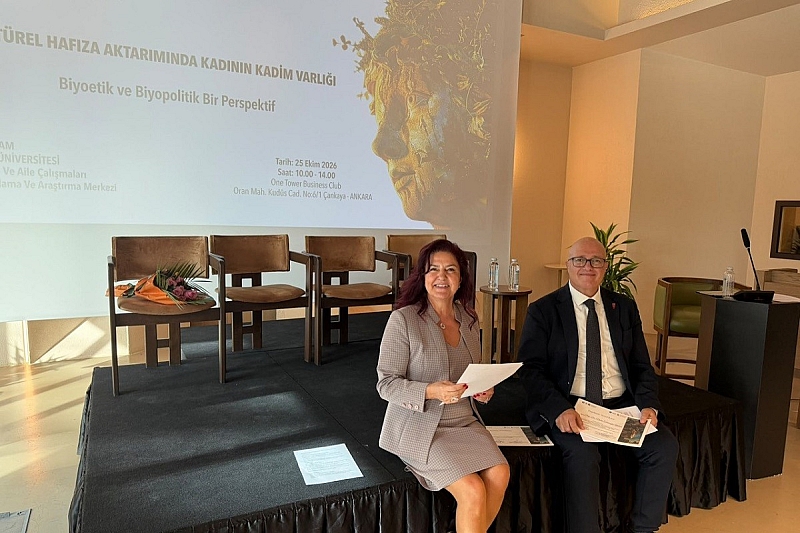
JOINT WORKSHOP OUTCOME STATEMENT
October 25, 2026 | Ankara
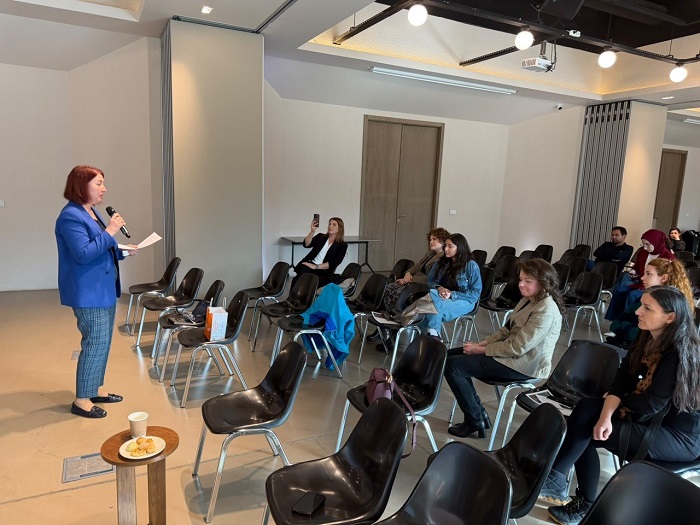
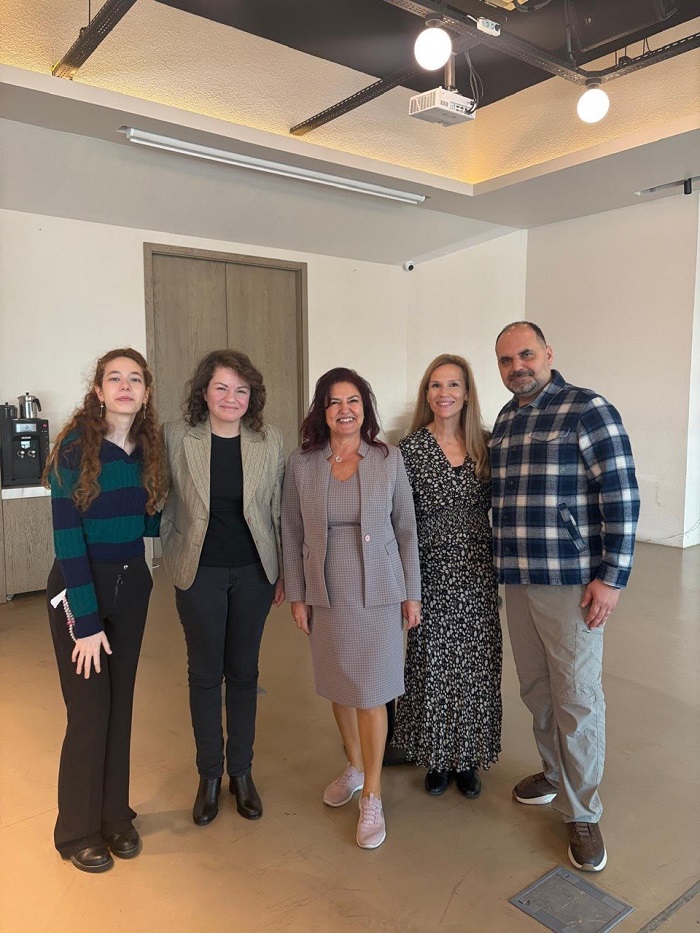
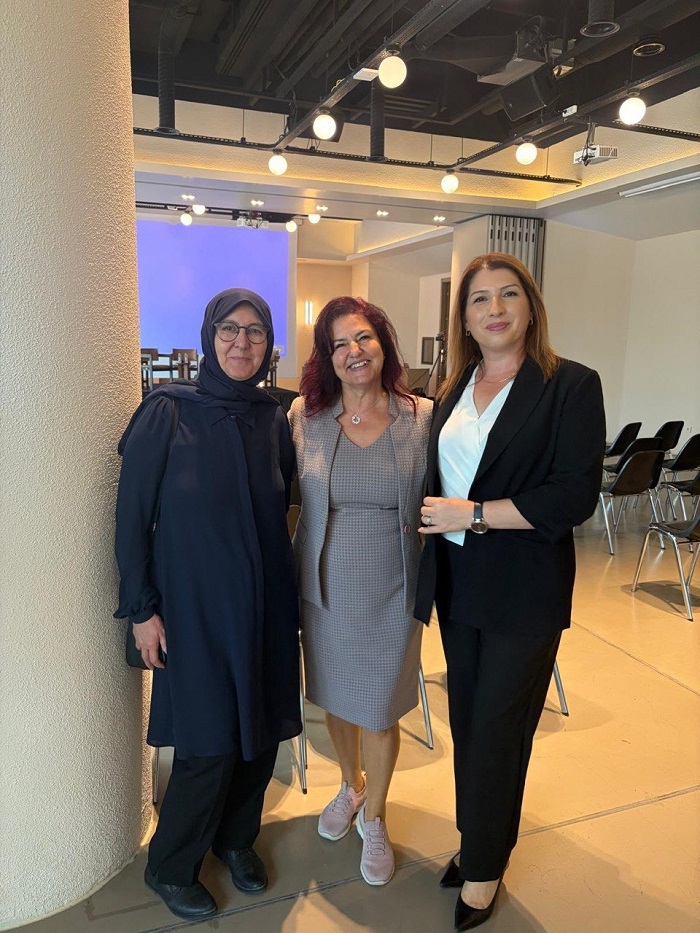
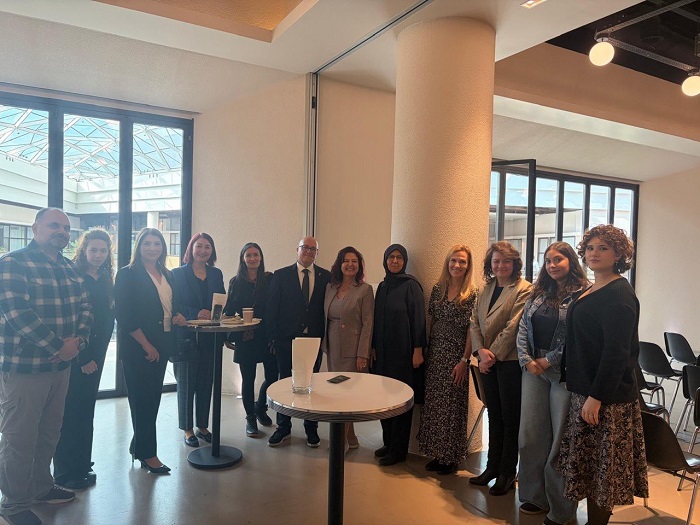
On October 25, 2026, academics, experts, and students gathered to examine the relationships among cultural heritage, traditional knowledge, sustainability, climate justice, and public health from an interdisciplinary perspective. The workshop, “Women’s Enduring Presence in the Transmission of Cultural Memory: A Bioethical and Biopolitical Perspective,” was organized by Gazi University Women and Family Studies Research and Application Center (GÜKÇAM), in collaboration with Anturia, as part of the Culture at COP31 platform.
This statement brings together the shared assessments and recommendations from the workshop’s five discussion tables. It understands cultural memory as a dynamic body of knowledge and values inherited from the past, shaping life today and contributing to a sustainable future.
Across societies and historical periods, women have contributed to preserving cultural memory, transmitting traditional knowledge and experience, sustaining health and care practices, and strengthening community solidarity.
Recognition of this contribution should go hand in hand with support for women’s equal and effective participation in knowledge production and decision-making today.
Cultural Heritage and Women’s Knowledge
Cultural heritage includes historic structures and tangible cultural assets, as well as women’s experiences, oral histories, local traditions, forms of production, and knowledge passed down across generations. Local communities, especially women and young people, should participate actively in documenting, safeguarding, and transmitting cultural heritage to future generations.
Traditional Health Knowledge and Patient Safety
Traditional and folk medical knowledge is an important source for understanding communities’ health cultures and historical experience. Recognizing its cultural value should go hand in hand with assessing health practices for scientific validity and safety. Documentation and preservation of this knowledge should be pursued alongside evidence-based medicine, patient safety, and ethical responsibility.
Traditional Agriculture and Biodiversity
Traditional agriculture, local seeds, and biodiversity support economic production as well as ecological balance, food security, and cultural continuity. The knowledge and experience of women producers and local communities should inform sustainable agriculture policies. Biodiversity, local products, and traditional production cultures should be safeguarded.
Climate Justice and Intergenerational Responsibility
Climate change is a global problem with environmental, social, and ethical dimensions. Its effects are unevenly distributed across social groups. Climate justice therefore requires fair use of resources, protection of vulnerable communities, public participation, and responsibility toward future generations. Climate policies should be guided by human rights, equality, solidarity, and intergenerational justice.
Public Health and Health Education
Public health must be considered together with a healthy environment, sustainable living conditions, and social justice. Future physicians and health professionals should be prepared to address the environmental, cultural, and social determinants of health, alongside diagnosing and treating disease. Medical and health sciences education should give stronger attention to climate change, planetary health, environmental ethics, and sustainable health services.
Our Shared Call and Recommendations
Based on the workshop’s five areas of discussion, we set out the following shared priorities:
Universities, local authorities, civil society organizations, cultural heritage institutions, and relevant professional associations should build lasting partnerships to advance these goals.
Our Shared Responsibility Across Generations
Bioethics reminds us of our responsibility to protect life. A biopolitical perspective invites us to examine decisions that shape life through the principles of justice, equality, and public participation. Cultural memory connects experiences from the past with present challenges and future needs.
The climate crisis, environmental degradation, and social inequalities call for responses that bring scientific knowledge together with cultural knowledge, ethical values, and social solidarity. Safeguarding cultural heritage is part of our shared responsibility to protect human life, nature, all living beings, and future generations.
At GÜKÇAM, we value continued work that brings inherited knowledge together with scientific knowledge and ethical responsibility, and supports the participation of women and young people in knowledge production and decision-making. We believe that women’s knowledge and experience, young people’s contributions, and the guidance of science can help build a fairer, healthier, and more sustainable future.
By preserving the memory of the past, we stand together to protect life in the future.
Plastic Pollution in Cameroon and Africa Plastic Pollution in Cameroon and Africa

The best of Tired Earth delivered to your inbox
Sign up for more inspiring photos, stories, and special offers from Tired Earth
By signing up for this email, you are agreeing to news, offers, and information from Tired Earth. Click here to visit our Privacy Policy.



Comment
Reply