



07 Jan 2026

Tired Earth
By The Editorial Board
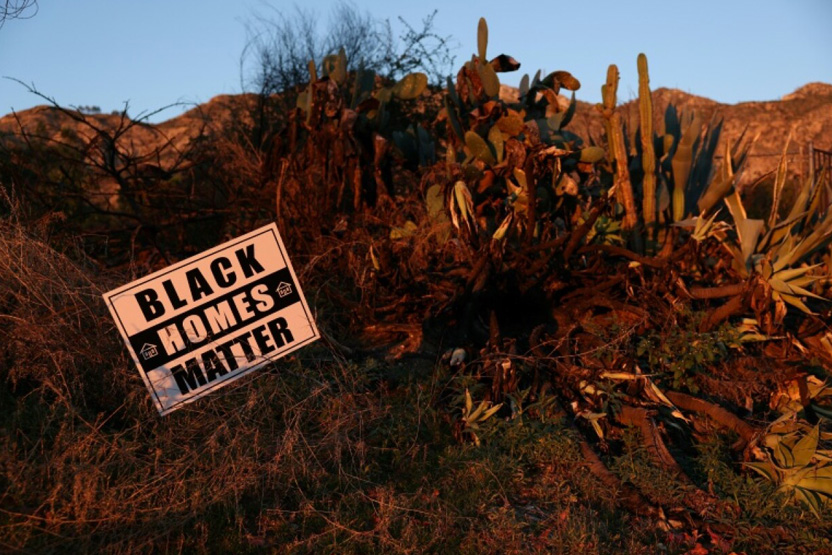
Nearly a year after the devastating fires that ravaged parts of Los Angeles, the city’s residents are still grappling with the difficult task of rebuilding. While some neighborhoods are beginning to see new homes rise from the ashes, the reconstruction process remains slow and fraught with obstacles. For many, particularly African American residents, the road to recovery is not only about rebuilding homes but also about surviving a system that has long ignored their rights and struggles.
Ted Koerner, a 67-year-old security company owner, is one of the few who has managed to rebuild. However, his journey was far from smooth. He had to advance hundreds of thousands of dollars out of pocket due to delays in insurance payouts. The financial strain was further exacerbated by Trump-era tariffs on imported construction materials, which pushed up costs significantly. Adding to the difficulty, immigrant construction workers, fearing raids by Immigration and Customs Enforcement (ICE), have been reluctant to return to the job sites, further delaying the rebuilding efforts. While some homes are rising, the process is slow, and the financial toll on residents is significant.
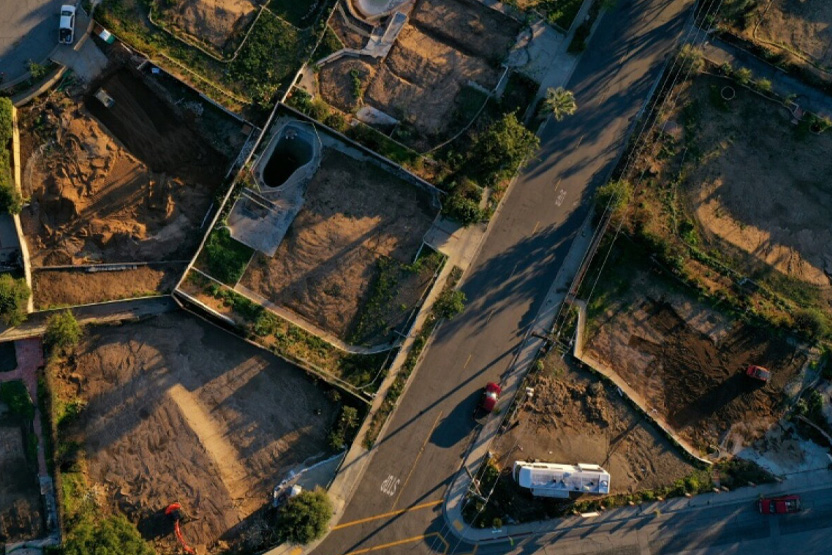
An aerial view of Altadena taken on December 29, 2025, shows the extent of damage and signs of new construction a year after the wildfires © AFP
Gentrification and the Displacement of Black Communities
The situation is particularly dire in neighborhoods like Altadena, once a safe haven for Black middle-class families. As the city recovers, many of these long-standing residents fear they will be pushed out by rising property prices and gentrification. The neighborhood, once a melting pot, is undergoing a dramatic transformation as wealthier, predominantly white residents move in. This shift has led to widespread anxiety, with residents putting up signs like “Altadena is not for sale!” and “Black Homes Matter” to protest against displacement.
Ellaird Bailey, a 77-year-old African American man who moved to Altadena in 1984, is deeply concerned about what the future holds. “A lot of people we’ve known for 20 or 30 years are moving out,” he says. “It’s hard to imagine what this place is going to look like in the future.” Many African American residents are now struggling with the reality of losing their homes and the community they helped build. For them, rebuilding isn’t just about repairing structures; it’s about preserving their place in a city that seems to be rapidly erasing them.
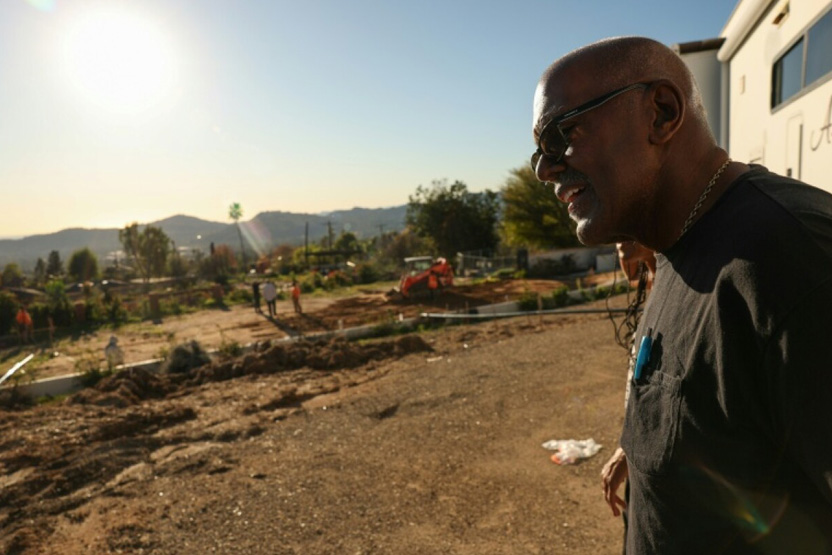
One year on, Ellaird Bailey surveys the construction site for rebuilding his house, which was destroyed by a fire in January 2025 in Altadena © AFP
The Fight for Black Homes and Equal Rights
The financial hardships faced by Black residents are compounded by systemic inequality. Many African Americans in Los Angeles were insured through the state’s last-resort program, which offered insufficient compensation for the high cost of rebuilding homes in affluent neighborhoods like Altadena. The result is a painful reality where many are forced to sell their properties or move away. The emotional toll of losing their homes is made worse by the knowledge that the community they’ve fought to establish is being dismantled.
The “Black Homes Matter” movement is a direct response to this injustice. It demands that the city take steps to prevent the displacement of Black families and ensure that their homes and rights are protected during the reconstruction process. This struggle goes beyond physical rebuilding; it’s about addressing the systemic barriers that have long affected African American communities. As Los Angeles continues to rebuild, it is essential that the voices of Black residents are heard and that their rights are upheld.
Source : news agencies

The best of Tired Earth delivered to your inbox
Sign up for more inspiring photos, stories, and special offers from Tired Earth
By signing up for this email, you are agreeing to news, offers, and information from Tired Earth. Click here to visit our Privacy Policy.



Comment
Reply