



06 Jan 2026

Tired Earth
By The Editorial Board
As the fashion industry faces mounting pressure to reduce its environmental impact, textile-to-textile recycling emerges as a promising solution. With innovations in recycling technology and growing industry collaboration, the shift towards a circular economy could revolutionize how we manage textile waste, reduce carbon emissions, and conserve precious resources
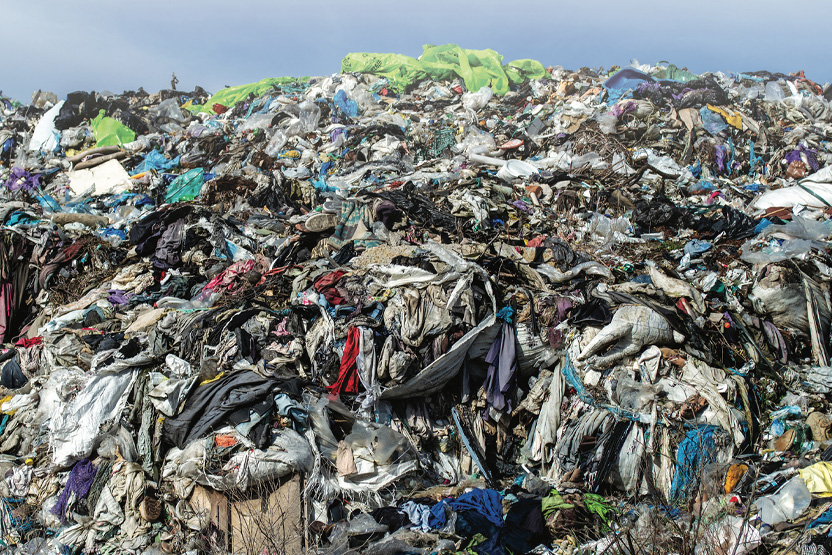
In the age of fast fashion, the fashion industry’s environmental impact has become undeniable. While global attention has shifted toward reducing waste and curbing carbon emissions, one of the most pressing concerns remains textile waste. The fashion industry is the second-largest global polluter, with millions of tons of textile waste ending up in landfills every year. However, an innovative and increasingly viable solution to this problem is textile-to-textile recycling — a process that allows discarded textiles to be converted into new fabrics, preventing them from ending up in landfills and reducing the need for virgin materials.
This method of recycling, though still in its infancy, has the potential to revolutionize the fashion industry and make a significant contribution to global sustainability efforts. As technologies and processes improve, companies are leading the charge to make textile-to-textile recycling a reality. But what are the challenges and solutions on the road to making this recycling model mainstream, and what role will it play in the global efforts to tackle textile waste?
The Vision for Textile-to-Textile Recycling
In theory, textile-to-textile recycling is an ideal solution for reducing textile waste. The process involves collecting, sorting, and breaking down old garments and using the materials to create new fabrics. The beauty of this approach is that it closes the loop on textile production by reducing reliance on virgin fibers like cotton and polyester, which require large amounts of water, energy, and chemicals to produce.
The concept is simple, but in practice, textile-to-textile recycling is a complex process. One of the most significant challenges is the sorting of textiles by material composition. Many garments are made from mixed fibers (like cotton and polyester blends), which are difficult to separate for efficient recycling. Additionally, most garments are not designed with recycling in mind, and sorting systems for old clothes are still underdeveloped.
Barriers to Overcome: Sorting, Technology, and Industry Education
The major challenge to large-scale textile-to-textile recycling is the need for clean, sorted materials. Garments often contain mixed fibers, which complicates the recycling process. For fiber-to-fiber recycling to work effectively, textiles must be sorted by material type—cotton with cotton, wool with wool, etc.—which is not always feasible due to the current complexity of garment construction and the lack of infrastructure to manage this task.
At the same time, the technology required for efficient fiber-to-fiber recycling is still being developed. The process of shredding and sorting garments, followed by the transformation of these fibers into new materials, requires significant technological advances.
Moreover, many garments, due to their design or composition, are not suitable for recycling. Often, the fibers are too degraded, or the garment construction is too complex, preventing effective reuse. To address this, focus on creating practical solutions, including the use of "open-loop" recycling, where garments are recycled into lower-grade materials or upcycled into new products, even if they aren’t suitable for fiber-to-fiber recycling.
While these solutions aren't ideal, they represent a step in the right direction and help ensure that textiles are not simply discarded or shipped to developing countries to be resold.
Environmental Impact: A Game-Changer for Sustainability
The environmental impact of textile recycling cannot be overstated. In the European Union alone, increasing textile-to-textile recycling rates to 10% by 2035 could save up to 440,000 tonnes of CO2 emissions per year and conserve 8.8 billion cubic meters of water. By reducing the need for virgin fiber production, textile-to-textile recycling not only reduces carbon emissions but also conserves valuable natural resources, particularly water, which is required in large quantities to grow raw materials like cotton.
The key to scaling textile recycling lies in increasing the quality and efficiency of the recycling process. Researchers at the IVL Swedish Environmental Research Institute found that fiber-to-fiber recycling offers the most significant environmental benefits, including reduced climate impacts and improved water conservation. Their study shows that an increase in textile recycling can lead to a 92% probability of reduced climate impacts and nearly a 100% chance of reducing water scarcity.
However, they also highlighted that achieving these outcomes will require improved recycling processes and better quality control. The challenge lies not only in increasing recycling rates but also in improving the quality of the recycled fibers so that they can replace virgin materials in garment production. As the study suggests, policies that support the use of recycled fibers over virgin materials—such as taxes on virgin resources—could accelerate this shift.
The Role of Brands and Consumers in the Circular Economy
For textile-to-textile recycling to become the norm, it is essential for brands to adopt circularity in their business models. Two key steps for brands looking to get started with textile-to-textile recycling are designing products that can be recycled and incorporating a take-back program from the outset. This involves thinking about the material composition of garments and ensuring that they are easy to deconstruct and recycle at the end of their life cycle.
Consumers also play a critical role in the success of circular systems. To drive participation in textile recycling programs, brands must offer incentives and provide consumers with the tools and information they need. Over time, policies such as extended producer responsibility (EPR) legislation could make recycling easier and more widespread by requiring brands to take responsibility for their products at the end of their life cycle.
Collaboration is another key factor. By working together with other stakeholders, the textile industry can overcome challenges and drive systemic change.
A Call to Action for a Circular Future
As the global fashion industry continues to grapple with its environmental footprint, textile-to-textile recycling presents a promising solution. While there are significant challenges to overcome, including improving sorting technologies and establishing global recycling infrastructure, the environmental benefits of recycling textiles are clear. By shifting to a circular model, the fashion industry can significantly reduce its carbon emissions, conserve water, and minimize waste.
For this to happen, collaboration between brands, consumers, and governments is essential. Brands must commit to designing products that are recyclable and creating take-back programs, while consumers must embrace the circular economy and participate in recycling initiatives. With continued innovation, investment, and policy support, textile-to-textile recycling has the potential to transform the fashion industry and contribute to a more sustainable future for all.

The best of Tired Earth delivered to your inbox
Sign up for more inspiring photos, stories, and special offers from Tired Earth
By signing up for this email, you are agreeing to news, offers, and information from Tired Earth. Click here to visit our Privacy Policy.



Comment
Reply