



28 Jan 2026

Tired Earth
By The Editorial Board
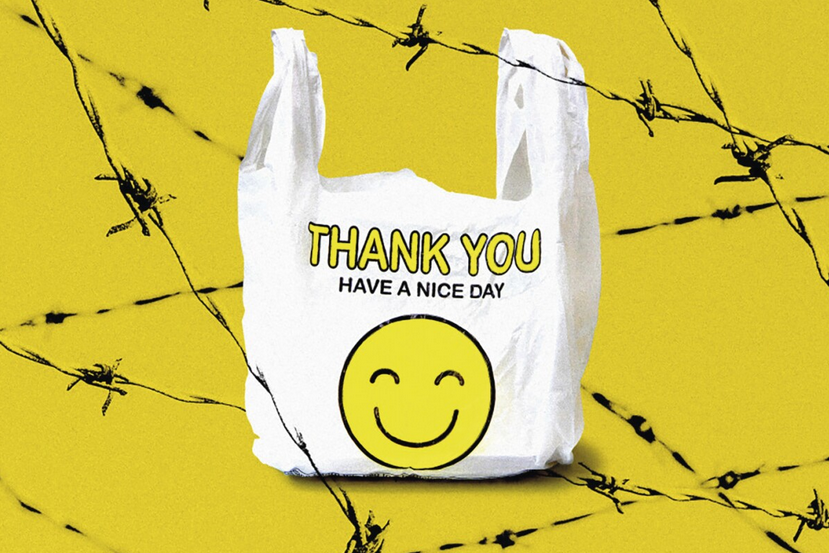
Google searches for "No Buy January" have surged in the past five years, with Gen Z and millennials leading the charge. Faced with constant consumer pressure and social media-driven trends, these young adults are embracing the challenge to save money, reduce waste, and combat overconsumption. In the U.S., the movement is growing as many rethink their relationship with materialism and sustainability. But beneath the challenge lies a deeper issue: the modern-day slavery of consumer culture, where relentless marketing convinces us that constant buying equals happiness and success.
January, traditionally the month of New Year's resolutions, has become the stage for a movement that is both radical and deeply necessary: No Buy January. Beyond simply suspending impulsive purchases, this monthly challenge is part of a broader reconciliation with the environment. It’s a symbolic yet powerful action of saying no to overconsumption, a phenomenon responsible for much of the world’s ecological problems.
The Environmental Impact of Overconsumption
Rampant overconsumption, one of the driving forces of our modern society, is a true scourge for the planet. According to the Global Footprint Network, we are already consuming the equivalent of 1.7 Earths each year, far more than the planet can naturally regenerate. The consumption of material goods leads to the massive depletion of natural resources, water, and energy, and directly contributes to pollution, climate change, and biodiversity loss.
Mass production of goods—whether it’s clothing, electronics, or food products—generates greenhouse gas emissions, consumes enormous quantities of raw materials and water, and creates mountains of waste. For example, the textile industry is responsible for 10% of global carbon emissions and a staggering amount of water use: it takes about 2,700 liters to produce a single cotton t-shirt.
The No Buy January movement offers a welcome break from this destructive cycle. By choosing not to purchase products for one month, participants reduce their impact on ecosystems, their consumption of energy and water, and the waste they generate.
Reducing the Individual Carbon Footprint
Even though one month without purchases might seem insignificant in the grand scheme of things, studies show that a simple reduction in consumption can have considerable positive effects on an individual’s carbon footprint. A study published by Lund University (Sweden) revealed that a 50% reduction in material consumption per year would lead to a 30% decrease in CO2 emissions for an average household.
No Buy January encourages participants to adopt a more responsible approach: not buying for 31 days reduces the emissions associated with purchasing, production, and transportation of goods. Moreover, this challenge encourages a mindset shift—more and more people are choosing to repair, recycle, or swap items rather than consume mass-produced goods.
Less Waste, Less Pollution
Another immediate consequence of this movement is waste reduction. Every item purchased represents future waste, whether it’s packaging materials, disposable items, or obsolete electronics. In 2019, approximately 53.6 million metric tons of e-waste were produced globally, with only 17.4% being recycled. No Buy January helps slow down this waste machine, encouraging individuals to prioritize sustainable alternatives like repairing, reusing, or donating.
Furthermore, many industries—such as fashion, food, and electronics—generate plastic waste that pollutes oceans and harms wildlife. By suspending purchases of clothing, for example, consumers indirectly contribute to reducing the production of single-use garments, often made from synthetic fibers, one of the main contributors to microplastic pollution in the seas.
A Change in Mindset: Sustainability Over Consumption
But No Buy January is not just about a temporary halt in consumption. It’s first and foremost about a mindset shift. This challenge, which grows in popularity each year, invites people to reconsider what truly matters: Are we really dependent on all these things, or can we be satisfied with less?
This trend is accompanied by more sustainable behaviors, such as buying secondhand items, repairing or maintaining belongings, and supporting businesses that adopt eco-friendly practices. A 2021 study by McKinsey & Company shows that 60% of consumers are willing to choose more sustainable brands, even if it means paying a higher price.
Long-Term Benefits: Towards a Circular Economy
The benefits of this movement are not limited to just one month. It lays the foundation for a more sustainable lifestyle in the long run. One of the main objectives of this challenge is to inspire people to think about true priorities: do we really need all these products, or can we do without many of them?
In the long term, this type of practice can also support the emergence of a circular economy, where production is designed with recycling, reuse, and waste reduction in mind. Many companies are already adopting this model: for example, fashion brands like Patagonia and H&M now offer clothing made from recycled materials and take-back programs for used clothes.
The Beginning of Sustainable Change
No Buy January is not just a fleeting challenge. It represents a peaceful rebellion against a consumption-driven society that is harming our planet. By focusing on reducing consumption and reusing resources, it promotes a more eco-friendly and responsible way of living.
Each month without purchases, each item not bought, is a victory for the planet. At a time when the climate crisis and the depletion of natural resources are global concerns, this movement offers a direct and effective solution. By taking part in this challenge, even for just one month, each individual can contribute to a sustainable world, where consumption is seen not as a selfish act, but as a civic duty.

The best of Tired Earth delivered to your inbox
Sign up for more inspiring photos, stories, and special offers from Tired Earth
By signing up for this email, you are agreeing to news, offers, and information from Tired Earth. Click here to visit our Privacy Policy.


Comment
Reply