A recent report highlights a worrying trend in the U.S. government's military strategy—millions of dollars are being funneled into the stockpiling of rare and critical minerals for military purposes, at the expense of the global fight against climate change. According to the research conducted by Transition Security, this large-scale stockpiling is not only feeding the growing arms race but also hindering efforts to scale up renewable energy technologies essential for climate action.
The report, published by The Guardian, underscores how the U.S. Department of Defense (DoD) has been storing vast quantities of minerals necessary for both military technologies and climate solutions. These include metals used in advanced weaponry, as well as materials integral to solar panels, wind turbines, electric vehicles (EVs), and battery storage—technologies pivotal for reducing carbon emissions and transitioning to a green economy.
The stockpiling has escalated since the passage of the "Great Beautiful Bill" earlier this year, when former President Donald Trump’s administration authorized the Pentagon to bolster its mineral reserves through the National Defense Stockpile program. The aim was to secure critical minerals, not only for military defense systems like precision-guided weapons and advanced communications technologies but also for emerging AI-driven military platforms.
Among the six critical minerals listed by Stanford University—magnesium, titanium, rhenium, molybdenum, tungsten, and uranium—are those that also feature prominently in the production of renewable energy technologies. These same materials, which are vital for reducing global carbon emissions, are being diverted to fuel an ever-expanding military industrial complex.
Kim Rogalsky, co-director of the Transition Security project, criticized the Pentagon’s approach, stating that the defense budget—approaching $1 trillion annually—serves to reinforce military dominance rather than addressing the existential threat posed by climate change. “By channeling precious resources into a growing military-industrial complex, rather than confronting the global climate crisis, the Pentagon’s actions contribute to the insecurity it claims to protect against,” Rogalsky argued.
Military Stockpiling and its Climate Implications
The report warns that this military-driven demand for rare earth minerals is obstructing global climate solutions. It reveals that at least 38 minerals, including lithium, cobalt, and graphite—key to clean energy technologies—are being stored for military use. This includes a staggering amount of cobalt, with the Pentagon’s Defense Logistics Agency planning to stockpile around 7,500 metric tons. This reserve is enough to produce 80.2 gigawatt-hours of battery capacity—more than double the current storage capacity in the U.S.—which could power around 100,000 electric buses.
According to Lorah Steichen, a lead author of the report, the cobalt and graphite currently stockpiled for military purposes could be used to accelerate the transition to renewable energy rather than fueling military conflict. “Each ton of cobalt or graphite stored for military use could instead be used in electric buses, large-scale energy storage, or other clean energy technologies,” Steichen explained.
A Growing Military and Environmental Dilemma
The U.S. Department of Defense is the world’s largest institutional emitter of greenhouse gases, responsible for around 80% of the federal government’s emissions. In addition to its carbon footprint, the Pentagon’s global operations contribute to environmental degradation that goes beyond climate change, including the contamination of soil and water near military bases.
While Pentagon officials have expressed concerns about how climate change could undermine military operations—such as through rising sea levels or extreme weather events—they have consistently downplayed the role of military emissions in addressing global warming. Under the Trump administration, any military effort to mitigate climate impact was sidelined in favor of building up defense capabilities.
Earlier this year, U.S. Defense Secretary Lloyd Austin made a pointed remark on the issue, stating, “The Department of Defense does not indulge in climate change folly. We conduct training and engage in combat operations.” This attitude underscores the continued priority placed on military dominance over environmental stewardship.
The Impact of Military Mineral Acquisition on Civilian Climate Goals
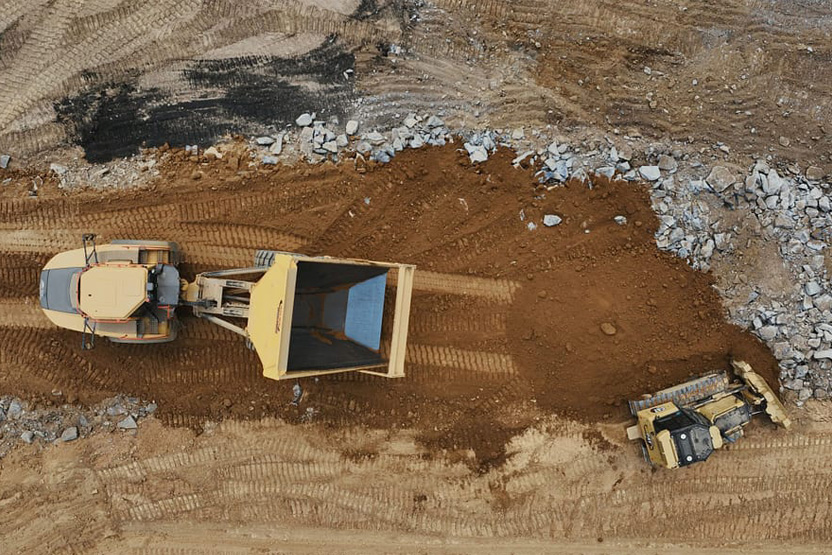
The report reveals that the Pentagon’s immense purchasing power not only diverts critical materials away from civilian uses but also helps shape global mineral supply chains, creating markets primarily geared toward military needs. Since 2023, the Pentagon has been involved in at least 20 mining initiatives in the U.S. and Canada, investing nearly a billion dollars. This includes direct stakes in companies mining for "strategic minerals," a policy shift that significantly impacts global supply chains for the very materials needed for the clean energy transition.
This militarization of minerals, the report argues, doesn't just drain resources necessary for climate solutions—it perpetuates a cycle of militarization that undermines global peace and sustainability. “By securing these materials for military purposes, the Pentagon is not only depriving urgent climate action but also reinforcing a destructive cycle of militarism that erodes civilian governmental functions,” the report concludes.
As the world grapples with the accelerating climate crisis, this new research casts a spotlight on the tension between military demands for rare earth minerals and the urgent need for those same materials to power a green energy revolution. The Pentagon's stockpiling strategy, while framed as a necessary defense measure, could have profound consequences for the planet's ability to combat climate change and move toward a sustainable future.









Comment