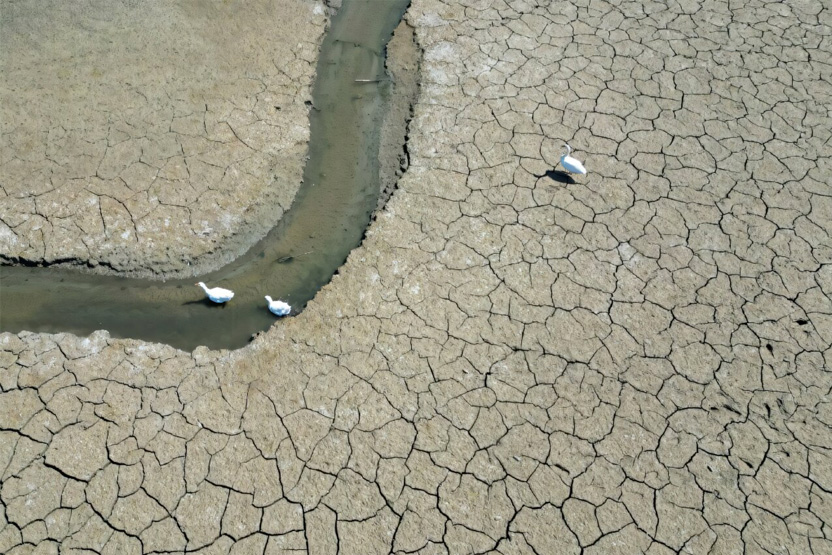
The planet is on track to log its second hottest year on record in 2025, tied with 2023
European scientists have confirmed that 2025 is almost certain to become the second or third hottest year ever recorded, as greenhouse gas emissions continue to push the global climate to the brink of collapse.
According to the European Union’s Copernicus Earth Observation Programme, global temperatures between January and November 2025 were 1.48°C above pre-industrial levels, a trend that mirrors the record-breaking figures seen in 2023, which was the second hottest year on record after 2024.
Dr. Samantha Burgess, Deputy Director of the Copernicus Climate Change Service, explained, "In November, global temperatures were 1.54°C higher than pre-industrial levels." She added that the average temperature for the period 2023-2025 is expected to exceed 1.5°C for the first time, signaling a critical threshold for global climate goals.
The Copernicus monthly bulletin also noted that November 2025 was the third warmest November ever recorded, with significantly higher temperatures seen in northern Canada and the Arctic Ocean.
Extreme Weather Events: A Growing Threat
Recent weeks have seen a series of extreme weather events, including hurricanes and catastrophic flooding, that have caused extensive human and material losses across South and Southeast Asia.
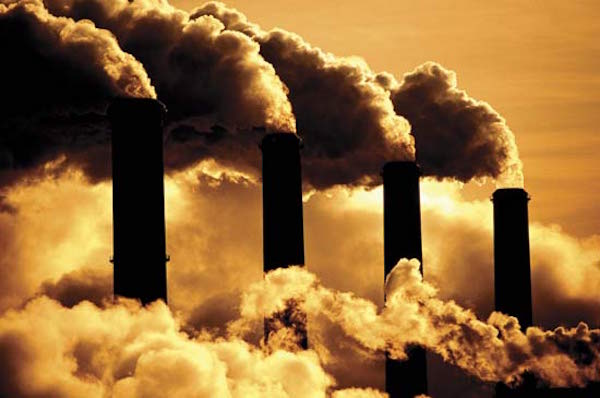
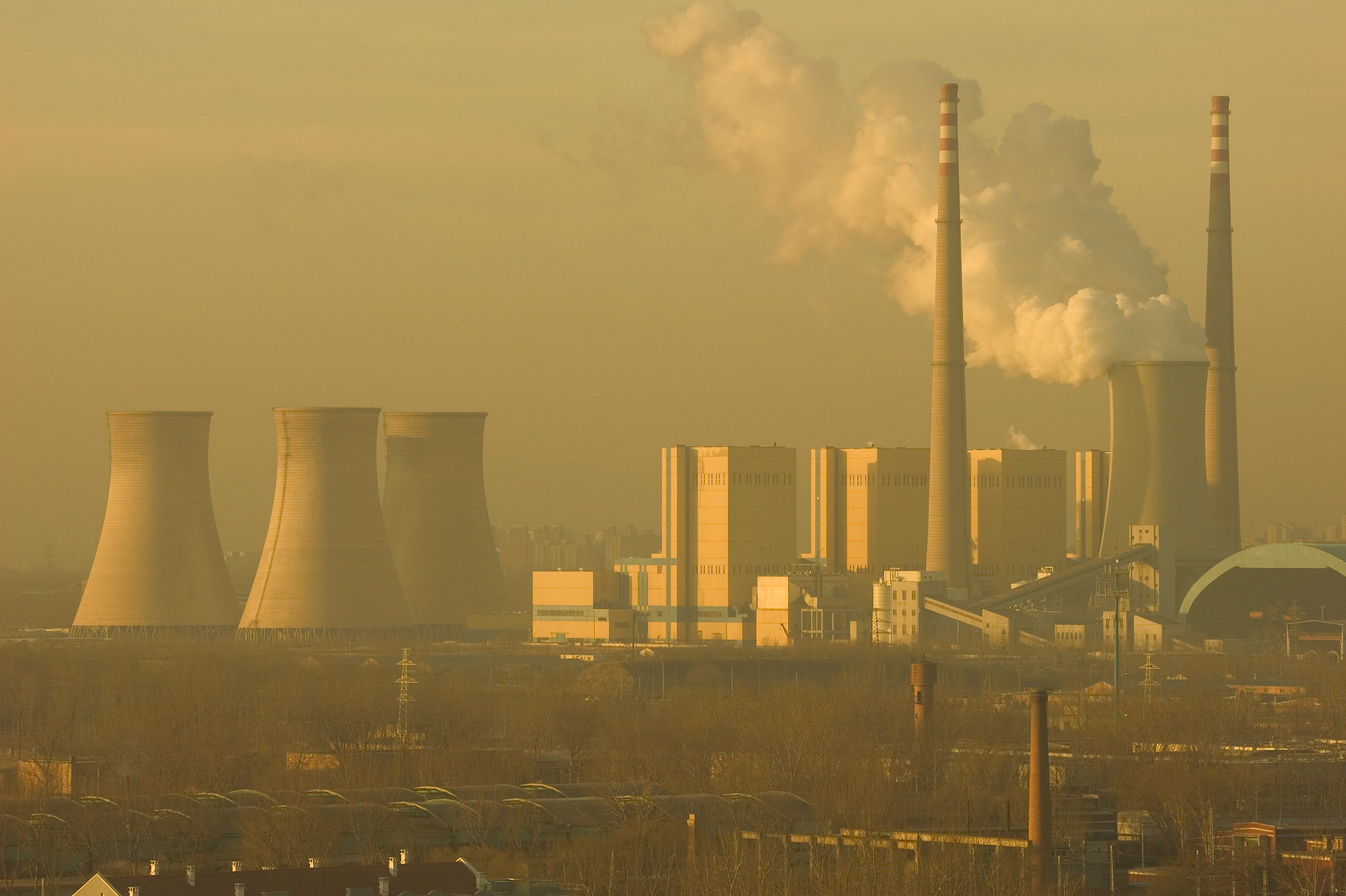
The sharp rise in global temperatures is primarily driven by human-induced greenhouse gas emissions—specifically from fossil fuel combustion, industrial activity, and agriculture—which trap heat in the atmosphere, causing global warming and rising temperatures.
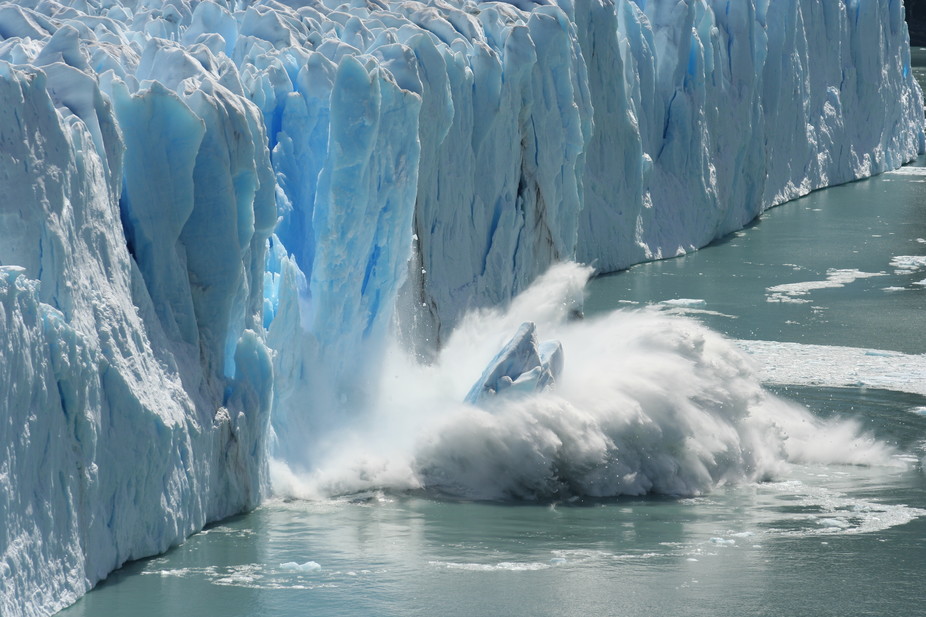
Global warming is intensifying extreme weather phenomena, including heatwaves, droughts, and floods. However, these events continue to vary from year to year due to natural climate factors.
El Niño and La Niña: The Climate Rollercoaster
The El Niño phenomenon contributed to higher global temperatures in 2023 and 2024, but has since slightly given way to the colder La Niña effect in 2025. Despite this shift, 2025 has still emerged as one of the hottest years on record, according to Copernicus.
Dr. Burgess stressed that "these events are not isolated occurrences, but rather reflect the accelerating pace of climate change." She added, "The only way to mitigate the effects of rising temperatures in the future is to drastically reduce greenhouse gas emissions as soon as possible."
A Clear Wake-Up Call for Global Climate Action
Since the landmark Paris Climate Agreement in 2015, emissions responsible for global warming have continued to rise, despite the global expansion of renewable energy, which has helped to moderate the pace of temperature increases.
The Copernicus analysis aligns with findings from the World Meteorological Organization (WMO), which reported that the period from 2015 to 2025 has been among the 11 hottest years on record, according to data dating back to 1850.
Celeste Saulo, WMO Secretary-General, pointed out that "We are not on track to meet the targets of the Paris Agreement." She also noted that 2025 has seen other warning signs of climate distress, including the significant global impacts of extreme weather on economies and all aspects of sustainable development.
As global temperatures continue to rise, the world faces an urgent challenge to limit further warming and prevent the most catastrophic impacts of climate change.








Comment