Climate change is taking a toll on our lands and oceans. One of its lesser-known consequences lies right on our plates: the taste of our food is being transformed by rising temperatures and sea levels.
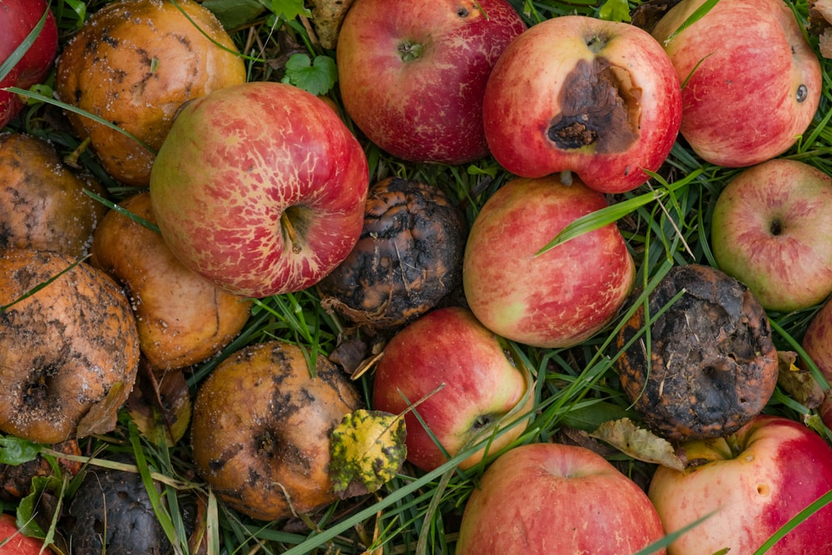
Climate change is taking a toll on our lands and oceans. One of its lesser-known consequences lies right on our plates: the taste of our food is being transformed by rising temperatures and sea levels.
A Less Sweet Strawberry, a Saltier Oyster
A slightly sweet strawberry, a strongly briny scallop, a sharply acidic lemon… Countless factors contribute to the flavors we know and love. For wine, the soil and its nutrients make all the difference; for oysters, the mineral elements come through when the shellfish is not overly salty.
But with climate change, all these variables are being disrupted. Drought, rising ocean salinity, extreme temperatures—each plays a role in altering the flavor profiles of our produce.
Matt Schwab, an oyster farmer in North Carolina, speaks firsthand about the consequences of climate change on his harvest:
"Less salty oysters offer a more complex aromatic profile. But as salinity increases, we lose some of that subtler flavor."
Warmer Nights, Transformed Fruits
Temperature is crucial in determining the taste quality of fruit. To achieve a sweet, acidic, and juicy fruit, warm days must be followed by cool evenings and nights. Yet with recurrent heatwaves, nights are growing warmer—and the flavor of fruit is suffering as a result.
Meanwhile, certain crops used for animal feed are becoming increasingly scarce. More frequent and prolonged heatwaves are causing extreme droughts that cripple agricultural production.
Biologist María Castro Bermúdez-Coronel highlights the essential role of nature and the importance of respecting it:
"When you depend entirely on natural resources, you never stop thinking, observing, and trying to predict how things will unfold. Because we depend on nature—we cannot cultivate it."
Faced with these upheavals, industry professionals must adapt and rethink their farming methods. Climate change is rewriting the rules: it is no longer just about producing, but about working with a natural world in constant flux.








Comment