A £430 million undersea cable is rerouted to avoid Dobby's "grave" on a Welsh beach. Meanwhile, real environmental crises and human suffering are met with indifference, delay, and half-measures.

It began as an ordinary engineering project. The £430 million Greenlink interconnector, a 125-mile undersea power cable linking the UK and Ireland, was on track to pass through a site on Freshwater West beach in Pembrokeshire, Wales. Then came the outcry.
Harry Potter fans, armed with social media and righteous indignation, learned that the cable would pass through the "grave" of Dobby, the beloved house-elf who died in the arms of Harry Potter in the film Harry Potter and the Deathly Hallows. The site has become a pilgrimage destination, with fans leaving stones and socks at the spot.
"We got hundreds of calls, I mean, hundreds of calls," project manager Simon Ludlam told the Energy Revolution podcast, describing his confusion when he learned of the protests. "Dobby, who's Dobby? I don't know Dobby? He's a fictitious character in a fictitious book, the whole thing is fictitious."
Yet the outcry was effective. The cable was relocated. Today, Dobby's "grave" remains undisturbed, while the cable passes close to Bronze Age remains associated with actual human burials. "We went quite close to some real Bronze Age remains, but we avoided Dobby's grave," Ludlam noted.
A Fictional Elf vs. Real-World Catastrophes
The story is charming, perhaps even heartwarming. But it also reveals something deeply troubling about the way we prioritize our outrage.
Fictional worlds command instant, passionate, and effective collective action. Harry Potter fans, united by their love for a literary character, forced a multinational energy project to change course. They were organized. They were vocal. They were heard.
The elf Dobby, who was buried on Freshwater West beach in Pembrokeshire during the film Harry Potter and the Deathly Hallows. Photograph: Reuters
Meanwhile, the real world burns.
Consider Gaza: more than 1,000 days of conflict have left 80 million tons of toxic rubble contaminating soil and water, 2.2 million people exposed to famine, and a "systematic ecocide" unfolding in real time. Untreated sewage flows into the Mediterranean, poisoning marine life and threatening human health for generations. What collective action? A few headlines. Some diplomatic murmurs. Silence.
Consider Iran's mangrove forests: unique ecosystems inscribed as UNESCO biosphere reserves, threatened by oil spills and missile strikes that have killed endangered gazelles and dolphins. The scientific name Avicennia marina, a tribute to the Persian scholar Ibn Sina, now hangs in the balance. But the international community? Mostly silent.
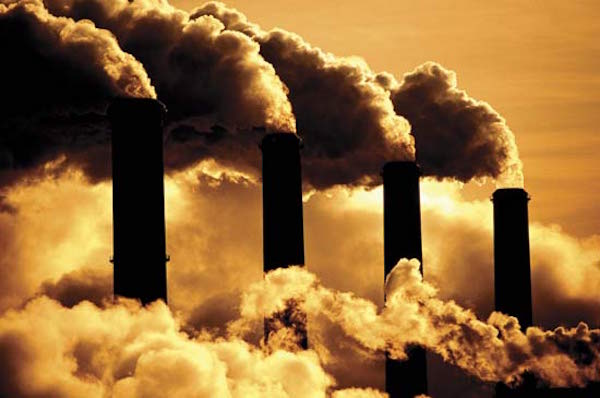
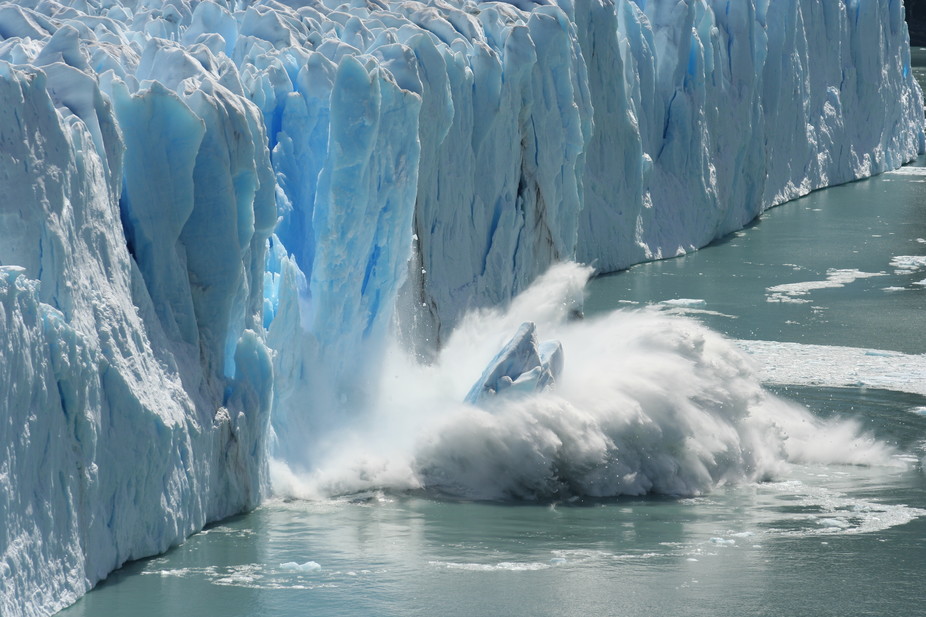
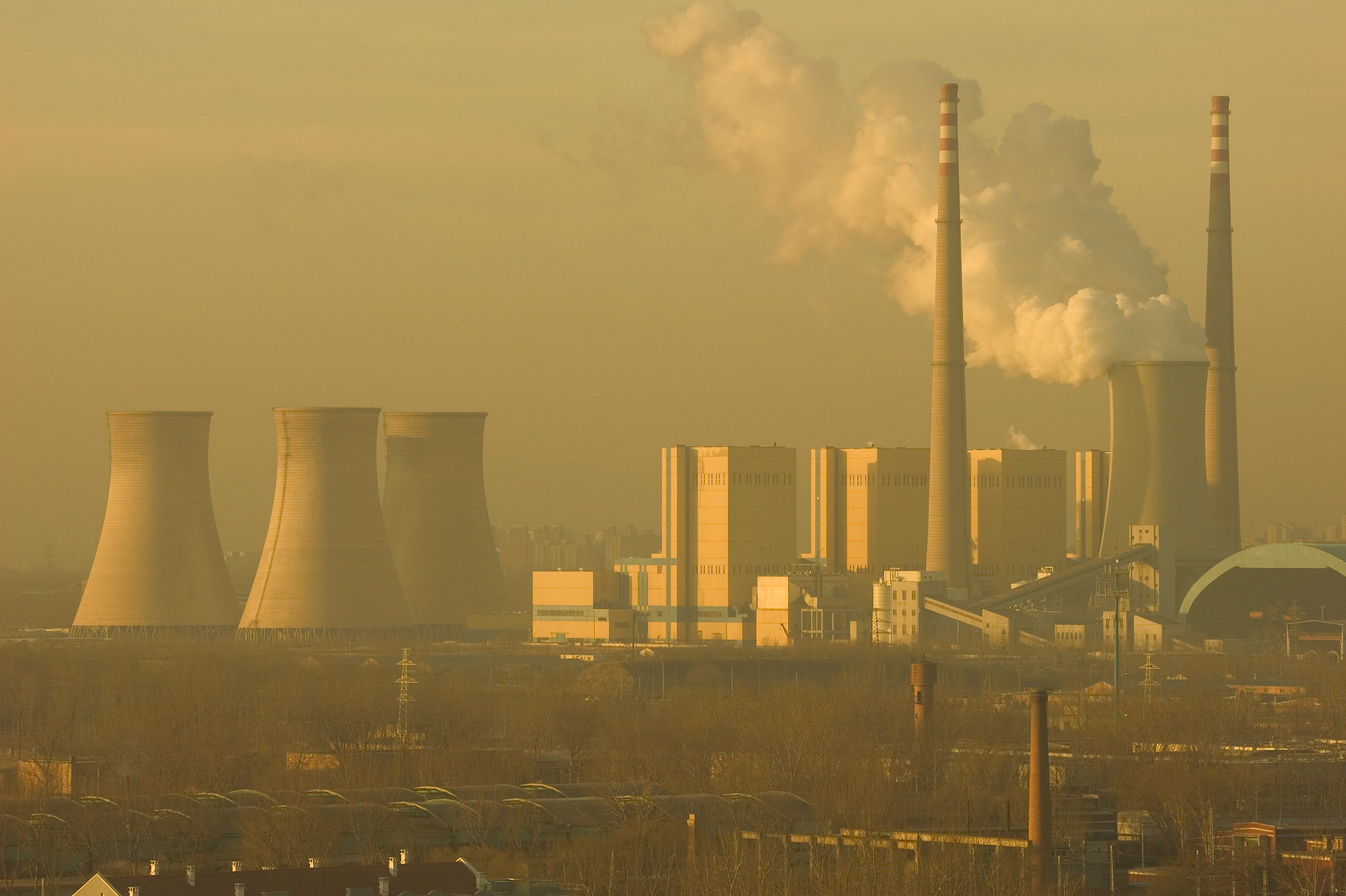
Consider climate change: the most existential threat humanity has ever faced. Emissions continue to rise while the world's wealthiest nations, the largest contributors to the crisis, dither and delay. Fossil fuel sponsorships at the World Cup generate more outrage than the emissions themselves. Global climate funds remain empty promises.
The Irony
The irony is almost unbearable. A power cable designed to facilitate renewable energy — an actual solution to the climate crisis — was rerouted to protect the fictional resting place of a fictional elf. The demand for change was immediate. The response was immediate. But the problem the cable was designed to solve? That continues to worsen.
Harry Potter fans achieved in weeks what climate activists, environmental organizations, and millions of affected people have struggled to achieve for decades: a clear, measurable, and immediate change. And they did it for a character who never existed.
What does it say about us as a society that we can mobilize collective action to protect a fictional grave, but not to stop the mass destruction of actual lives, actual forests, actual oceans, and the actual future of our planet?
Dobby's "grave" is safe. But the real world is not. And perhaps that is the saddest part of this story.





_1786447259.png)


Comment