



18 Feb 2026

Tired Earth
By The Editorial Board
Researchers have revealed that toxic metals from the 2015 Fundão mining disaster continue to contaminate the soil in Brazil, affecting crops like bananas, cassava, and cocoa. Bananas, in particular, are showing concerning levels of lead and cadmium, posing a risk to young children.
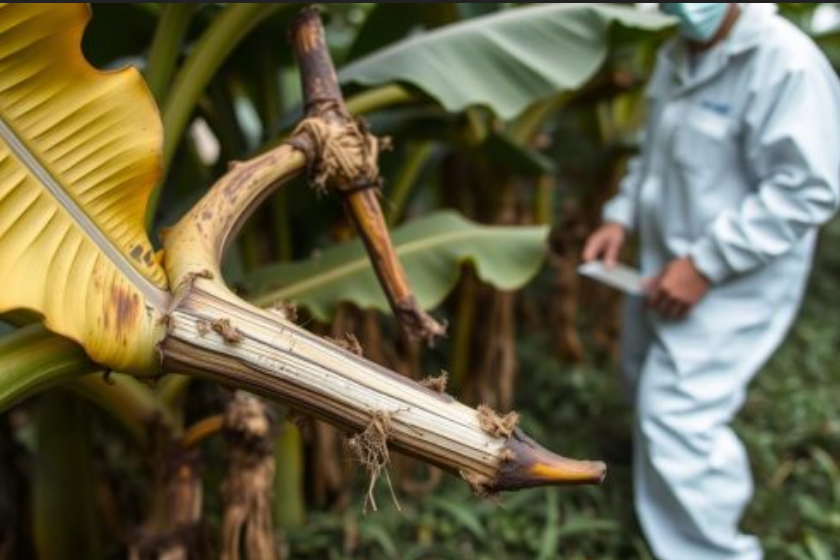
More than a decade after the catastrophic Fundão dam collapse, a study by researchers from the University of São Paulo (USP) and the University of Santiago de Compostela has uncovered alarming evidence that toxic metals continue to seep from contaminated soil into everyday food crops. Among these crops, bananas have shown concerning concentrations of metals like lead and cadmium, which present a direct health risk to children under six years of age.
According to Tiago Osório, agronomist and professor at USP, the research began soon after the 2015 disaster, with the first samples collected within a week of the incident. "It was clear that the risks of contamination were imminent, but the crucial question remained: would this contamination pose a threat to human health?" he explains.
The research team analyzed levels of cadmium, lead, copper, nickel, and chromium in crops such as bananas, cassava, and cocoa. These metals are primarily associated with iron oxides, the main component of the mining waste that spread through the region following the dam collapse.
Hidden Danger for Public Health
The study’s primary finding concerns bananas. The researchers discovered that bananas grown in contaminated soil contained levels of toxic metals that exceeded safety limits set by the World Health Organization. For children, this presents a particularly grave concern, as regular consumption of these bananas could have severe consequences on cognitive development, including lower IQ and behavioral issues.
The researchers employed various methods to assess contamination levels in the plants, measuring the metal content in the roots, stems, and fruits. "We found that in bananas and cassava, most toxic metals accumulated in the roots and tubers, whereas in cocoa, the highest concentrations were found in the stems, leaves, and fruits," explains Amanda Duim, the lead author of the study.
Copper and lead levels in cocoa pulp exceeded the safety limits set by the Food and Agriculture Organization (FAO), prompting the researchers to conduct a formal health risk assessment.
Health Risks for Children and Adults
The team then evaluated the risk of health consequences for both children and adults by calculating risk quotients (RQ) and risk indices (RI) for people consuming bananas, cassava rhizomes, and cocoa pulp. They assessed these risks separately for children (under six years old) and adults (over 18 years old). The RQ compares an individual’s estimated daily intake of a substance to a reference dose considered safe. The TRI helps determine potential non-carcinogenic health risk from exposure to toxic elements.
According to Tamires Cherubin, a health sciences Ph.D. and co-author of the study, "These metals naturally exist in the environment, and we’re exposed to them in lower concentrations. However, in the case of a disaster like Mariana, where exposure is expected to increase, we need to exercise extra caution."
The researchers also considered how much locally grown food residents consume, based on data from the Brazilian Institute of Geography and Statistics (IBGE), as well as how long individuals might be exposed and the potential for harmful effects to develop over time.
For most metals, the TRI values were below 1, indicating no significant non-carcinogenic risk for adults consuming these foods. However, the TRI for bananas exceeded 1 for children, signaling potential health concerns. Elevated lead levels were the primary concern, along with cadmium concentrations in bananas that surpassed FAO recommendations. Long-term exposure to lead, even in low levels, can permanently affect brain development, lowering IQ and contributing to attention and behavioral problems.
Long-Term Cancer Risks and Ongoing Exposure
The team also warns that prolonged consumption of food grown in contaminated soil could lead to cumulative health effects over time. "Considering Brazil's life expectancy of around 75 years, there could be a carcinogenic risk due to direct and indirect DNA damage over the years," says Cherubin. This genetic damage may increase the likelihood of cancers affecting the central nervous system, digestive tract, and blood-forming tissues. "It all depends on the body’s ability to absorb and metabolize these elements," she adds.
A Call for Action to Prevent Future Contamination
While the immediate impact of contamination is concerning, the researchers emphasize that the pollution in the soil and crops may continue to affect public health for years to come. "Even after several years, soil and crop contamination can still affect public health," the scientists warn.
Their work calls for stricter management of mining waste and long-term environmental monitoring to protect local communities, especially vulnerable children. The study also advocates for stronger policies to limit exposure to these hazardous substances, particularly in areas already affected by industrial disasters like Fundão.
Professor Tiago Osório concludes: "The results of this study are a call to action. We need stricter regulations to protect public health and the environment to prevent such ecological tragedies from happening again."

The best of Tired Earth delivered to your inbox
Sign up for more inspiring photos, stories, and special offers from Tired Earth
By signing up for this email, you are agreeing to news, offers, and information from Tired Earth. Click here to visit our Privacy Policy.



Comment