



14 Feb 2026

Tired Earth
By The Editorial Board
A breakthrough in calcium-ion battery (CIB) technology, announced by scientists at the Hong Kong University of Science and Technology (HKUST), could dramatically reshape the future of energy storage.
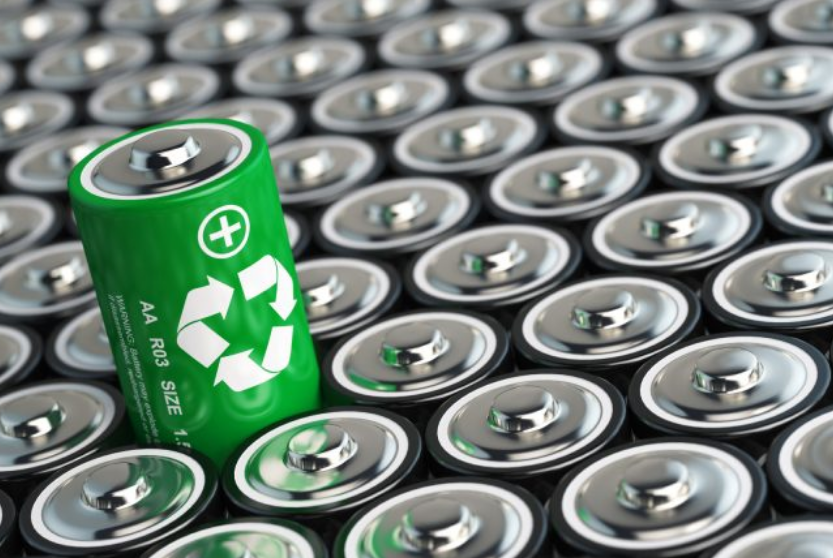
A breakthrough in calcium-ion battery (CIB) technology, announced by scientists at the Hong Kong University of Science and Technology (HKUST), could dramatically reshape the future of energy storage. This new development, which centers around a novel quasi-solid-state electrolyte, promises to deliver a safer and more sustainable energy storage solution—potentially without the reliance on lithium. The advancement could have significant implications for industries ranging from electric vehicles (EVs) to renewable energy storage.
A Step Forward in Energy Storage
The research team at HKUST has made a critical leap forward in overcoming the long-standing barriers that have hindered the widespread adoption of calcium-ion batteries. These include challenges related to poor ion mobility and limited stability over long-term use. By creating a new quasi-solid-state electrolyte made from redox-active covalent organic frameworks, the team has tackled these issues head-on, unlocking the potential for high-performance, lithium-free batteries.
The findings, published in Advanced Science, demonstrate that calcium-ion batteries could provide a viable alternative to lithium-ion batteries (LIBs), which currently dominate the market. As the demand for renewable energy solutions continues to rise globally, this technology could offer a more sustainable and abundant energy storage method.
The Growing Need for Reliable Energy Storage
With renewable energy production expanding rapidly worldwide, the need for efficient and reliable energy storage systems has never been greater. Lithium-ion batteries have long been the go-to solution, but concerns about the limited availability of lithium, alongside the challenges of increasing energy density, have prompted scientists to explore alternative battery chemistries. The HKUST team’s work on calcium-ion batteries addresses both of these concerns.
Calcium, being more abundant and environmentally friendly compared to lithium, presents a promising solution. Calcium-ion batteries also have an electrochemical window comparable to that of lithium-ion batteries, but significant technical barriers—such as slow ion movement and instability—have slowed their development.
Innovative Electrolytes Boost Battery Performance
In their innovative approach, the team developed redox covalent organic frameworks (COFs) that act as quasi-solid-state electrolytes (QSSEs) within the battery. These materials, rich in carbonyl groups, have achieved remarkable ionic conductivity and enhanced transport capabilities for calcium ions at room temperature. According to the researchers, the ability of these materials to facilitate ion movement through the structured pores of the COFs is the key to the improved performance.
By optimizing the internal structure of the battery, the team has improved both ion mobility and overall battery efficiency, enabling the new calcium-ion design to compete with established lithium-based batteries.
Promising Results in Long-Term Use
The performance of the new calcium-ion battery has shown impressive results. In tests, the battery achieved a reversible specific capacity of 155.9 mAh g-1 at a charge rate of 0.15 A g-1. Even at higher rates (1 A g-1), the battery retained more than 74.6% of its capacity after 1,000 charge and discharge cycles—proving its potential for long-term, stable use.
"This breakthrough demonstrates the transformative potential of calcium-ion batteries as a sustainable and efficient alternative to lithium-ion technology," said Professor Yoonseob Kim, Associate Professor at HKUST and lead researcher of the study. "By harnessing the unique properties of redox-active covalent organic frameworks, we have taken a significant step toward creating high-performance energy storage systems that can meet the needs of a greener, more sustainable future."
A Future Without Lithium?
The new technology developed by HKUST opens up the possibility of a future where energy storage is not dependent on lithium, reducing both resource constraints and environmental impacts associated with lithium mining. This breakthrough could enable a more sustainable energy transition, supporting the global shift towards cleaner, renewable energy sources.
As the world continues to face the urgent need for advanced energy solutions, this calcium-ion battery innovation provides a promising pathway forward. With continued research and development, calcium-ion batteries may soon play a critical role in the renewable energy revolution, powering everything from solar grids to electric cars—without relying on the limited resources of lithium.

The best of Tired Earth delivered to your inbox
Sign up for more inspiring photos, stories, and special offers from Tired Earth
By signing up for this email, you are agreeing to news, offers, and information from Tired Earth. Click here to visit our Privacy Policy.





Comment