



31 Mar 2026

Tired Earth
By The Editorial Board
Suggestive evidence was found that living in greener neighborhoods may reduce the risk of preterm birth linked to prenatal air pollution exposure.
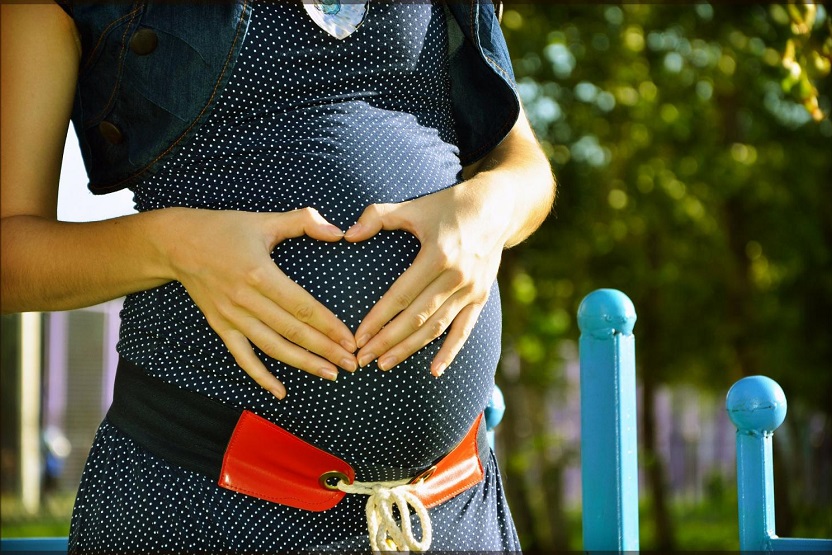
Living near trees and parks may help protect unborn babies from some of the harmful effects of outdoor air pollution during pregnancy, according to a new systematic review from Curtin University. The study, published in Environmental Research, is a critical systematic review to examine whether public health interventions modify how exposure to outdoor air pollution and extreme heat during pregnancy affects child health outcomes, including birth outcomes, respiratory conditions and neurodevelopment.
The review synthesized 21 primary studies published from 1997 to 2023, based on data from more than 13.5 million participants. Studies came from six countries, with most of the evidence from the United States and China.
Suggestive evidence was found that living in greener neighborhoods may reduce the risk of preterm birth linked to prenatal air pollution exposure. Evidence for other birth outcomes, including low birth weight and small-for-gestational age, was weaker, as was evidence for preterm birth linked to extreme heat.
Lead author Chamunorwa Nyamuranga, a Ph.D. student from Curtin's School of Population Health, said the findings highlighted both promise and significant gaps.
"Exposure to outdoor air pollution and extreme heat during pregnancy has been linked to a range of adverse outcomes in children," Nyamuranga said. "Our review suggests that greener neighborhoods may help buffer some of these risks, but the evidence is still limited and more high-quality investigations from broader geodemographic settings are needed."
Co-author Dr. Sylvester Dodzi Nyadanu said the review uncovered striking gaps in the existing literature. "Urban greening may offer a practical nature-based solution to reduce adverse birth outcomes associated with prenatal air pollution and extreme heat, although the evidence is still emerging.
"We also found that no studies examined wildfire smoke exposure during pregnancy, and none investigated whether clinical care provided during or after pregnancy modifies how these exposures affect children. Those are critical gaps that future research needs to address."
The researchers note that, as public health interventions may modify the effects of air pollution and heat exposure during pregnancy on child health, more research on green spaces and other interventions (e.g., maternal nutrition, breastfeeding, community-based health care) across diverse populations is needed in a changing climate.
Source : medicalxpress.com

The best of Tired Earth delivered to your inbox
Sign up for more inspiring photos, stories, and special offers from Tired Earth
By signing up for this email, you are agreeing to news, offers, and information from Tired Earth. Click here to visit our Privacy Policy.


Comment