



29 Mar 2026

Tired Earth
By The Editorial Board
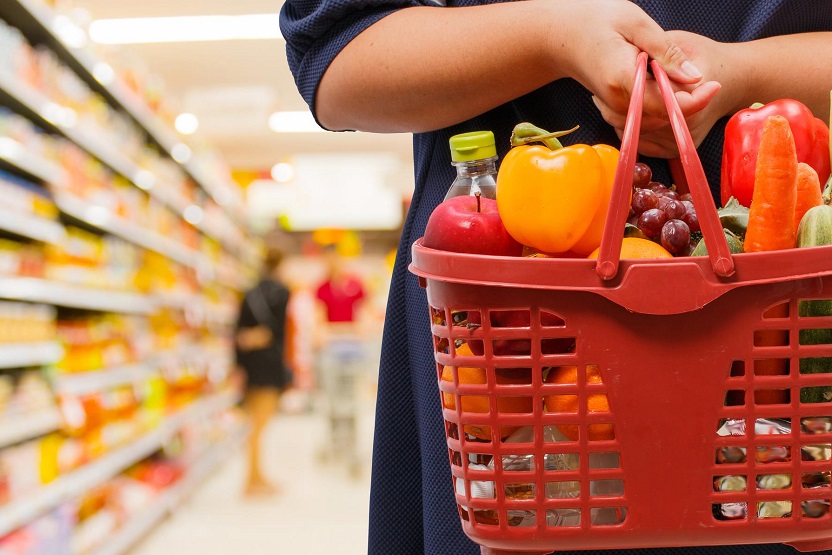
The military escalation in the Middle East, marked by the intensifying conflict involving Iran, is posing an unprecedented threat to the European economy. As the specter of stagflation looms, international institutions are raising alarms over the continent's food security. Amid skyrocketing energy costs and disrupted supply chains, France and its European neighbors are bracing for months of extreme tension, where individual anticipation is becoming a key pillar of resilience.
The shockwaves of the conflict extend far beyond diplomacy. According to recent economic analyses, Europe is sinking into a period of stagflation—characterized by stagnant growth and persistent inflation. The lessons from the 2022 energy crisis following the war in Ukraine appear insufficient to buffer this new shock.
The surge in hydrocarbon prices is directly impacting the costs of agricultural production, processing, and transport. The Council of the European Union recently reiterated its grave concerns regarding the affordability of basic food staples. Meanwhile, the United Nations warns of a major risk of destabilization in global agricultural markets. In response to this volatility, some food industry players are already redirecting trade flows toward more profitable or stable markets, further weakening intra-European supply.
In France, the economic consequences are manifesting as severe pressure on purchasing power and palpable concern among consumers. Projections indicate that households may soon face difficult trade-offs or even stockouts in certain consumer goods categories. France's dependence on imports for specific agricultural inputs (fertilizers, animal feed) and processed goods leaves distributors in a highly vulnerable position.
Given the uncertainty of the geopolitical situation and the unpredictability of maritime flows in the Middle East, the prevailing climate of anxiety is shifting consumer behavior. What was once perceived as alarmism is now being re-evaluated by resilience and domestic economy experts.
Building precautionary stocks is now considered a rational anticipatory strategy for French and European households. It is advised to maintain a rolling reserve covering several weeks for essential goods:
Dry and non-perishable goods: Rice, pasta, lentils, flour.
Canned goods: Vegetables, fish, meat, and sauces.
Fats and oils: Vegetable oils (global supply of which is highly sensitive to crises).
Basic health and hygiene products.
While authorities strive to maintain calm to prevent irrational panic-buying in supermarkets, individual preparation and methodical stockpiling are gradually emerging as the final bulwark against a supply crisis that seems, day by day, increasingly inevitable.
United Nations (UN News): Global Food Security Alert
Euronews: Is the war in Iran plunging Europe into a stagflation crisis?
France Info (20h News): What are the economic consequences of the Middle East war for the French?
Le Monde: Energy crisis in Europe: The incomplete lessons of the war in Ukraine
Le Soir: Why the war in the Middle East could plunge the economy into crisis
Le Télégramme: How food industrialists are adapting to the crisis
Council of the European Union: Food security and affordability policies

The best of Tired Earth delivered to your inbox
Sign up for more inspiring photos, stories, and special offers from Tired Earth
By signing up for this email, you are agreeing to news, offers, and information from Tired Earth. Click here to visit our Privacy Policy.



Comment