



22 Feb 2026

Tired Earth
By The Editorial Board
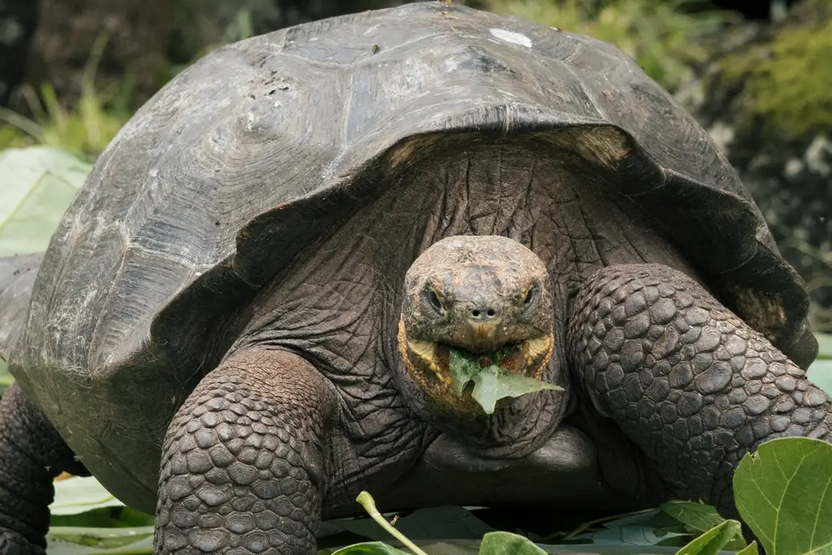
After more than a century of absence, a remarkable conservation milestone has been reached in the Galapagos Archipelago. Over 150 giant tortoises, once thought to be lost forever, have been reintroduced to Floreana Island, a location from which they vanished long ago due to human activity and invasive species. This ambitious project, announced by Ecuador's Ministry of the Environment in February 2026, signals a critical step toward restoring the island's delicate ecosystem.
The reintroduction was no simple task. Conservationists and park rangers, carrying the tortoises in transport boxes, navigated seven kilometers of rugged volcanic terrain to deliver the reptiles to their new home. This arduous journey ensured that the animals were carefully placed in environments that mimic their natural habitat, facilitating their transition to life in the wild. Each tortoise was subjected to an extensive quarantine process and was microchipped for future identification.
A Unique Genetic Heritage
The tortoises released on Floreana are not entirely native but share a remarkably close genetic profile to the extinct species that once thrived on the island. They were bred in a specialized breeding program at the Galapagos National Park's breeding center, focusing on genetic preservation. These efforts are part of a broader initiative aimed at restoring the unique biodiversity of the Galapagos, an ecosystem renowned for its incredible wildlife and its role in Charles Darwin's theory of evolution.
Floreana Island, located 1,000 kilometers off the coast of Ecuador, has long been a symbol of conservation efforts. The island's fragile ecosystem and its global significance were recognized by UNESCO as a World Heritage site, and it continues to be a living laboratory for conservationists working to protect the species that call it home.
The Role of Tortoises in Ecosystem Restoration
Giant tortoises are known as "ecosystem engineers" due to their crucial role in maintaining the health of their environment. By dispersing seeds, regulating vegetation, and promoting natural habitat regeneration, these slow-moving giants help to maintain the ecological balance of their surroundings. The return of tortoises to Floreana is a significant step in restoring the island's biodiversity, and their reintroduction is expected to positively impact the regeneration of native plant life and the island's broader ecosystem.
"Floreana is now a global reference point for complete island restoration," stated the Ministry of the Environment. The return of tortoises marks a symbolic victory in conservation, showing that with effort and collaboration, it is possible to reverse some of the damage caused by human settlement and environmental degradation.
A Broader Effort to Restore Floreana’s Ecosystem
This reintroduction is part of a larger, decade-long initiative to restore Floreana's unique wildlife. In addition to tortoises, researchers have been working on reintroducing 12 other endemic species, including finches, owls, and seabirds, to the island. These efforts are vital, as Floreana was the first island in the Galapagos to be inhabited by humans, which led to significant ecological disturbances.
In 2023, Ecuador opened a biodiversity laboratory on the island to study and monitor the species being reintroduced. The laboratory will play a crucial role in ensuring the success of these restoration efforts, tracking the progress of the animals' adaptation to their environment.
International Support for Galapagos Conservation
In a significant development for conservation funding, Ecuador secured a $1 billion reduction in its external debt in 2023, in exchange for dedicating $450 million toward the protection of the Galapagos Islands. This agreement underscores the importance of these islands not only to Ecuador but to the world as a whole. The Galapagos is one of the most unique ecosystems on the planet, and its preservation is a global responsibility.
The reintroduction of these giant tortoises to Floreana is a reminder of the fragility of the natural world, but also of the potential for recovery when concerted efforts are made to protect and restore ecosystems. With continued research, funding, and collaboration, the Galapagos can once again become a sanctuary where endemic species can thrive.
The success of this project proves that conservation can bring hope for the future, even for species that were once thought to be gone forever. As more animals return to Floreana, the island will continue to evolve into a beacon of hope for wildlife restoration worldwide.
Source : news agencies

The best of Tired Earth delivered to your inbox
Sign up for more inspiring photos, stories, and special offers from Tired Earth
By signing up for this email, you are agreeing to news, offers, and information from Tired Earth. Click here to visit our Privacy Policy.




Comment