



24 Jan 2026

Tired Earth
By The Editorial Board
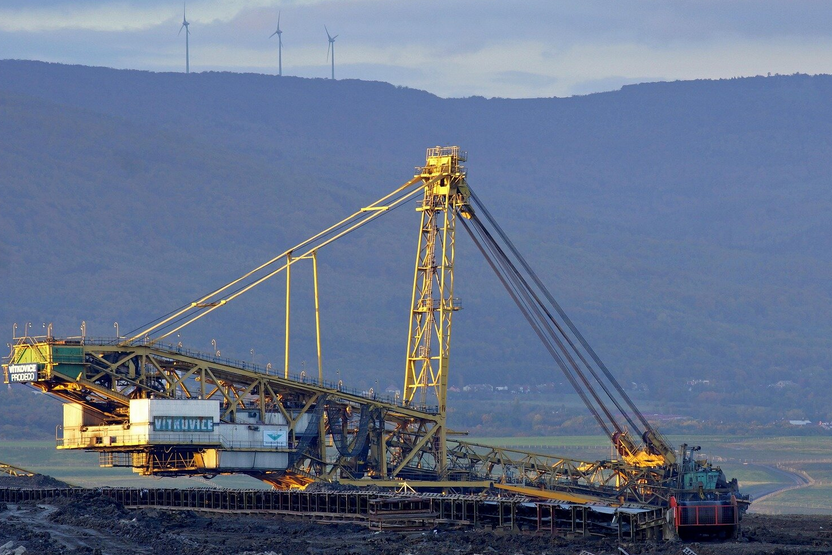
For every US$1 the world invests in protecting nature, it spends US$30 on destroying it. This stark imbalance is the central finding of a new UN Environment Program (UNEP) report released today. It calls for a major shift in global financing of nature-based solutions and phasing out harmful investments to deliver high returns, reduce risk exposure, and enhance resilience.
The report, "State of Finance for Nature 2026: Nature in the red: Powering the trillion dollar nature transition economy," which uses data for 2023, finds:
"If you follow the money, you see the size of the challenge ahead of us. We can either invest into nature's destruction or power its recovery—there is no middle ground," said Inger Andersen, Executive Director of UNEP. "While financing nature-based solutions crawls forward, harmful investments and subsidies are surging ahead. This report offers leaders a clear roadmap to reverse this trend and work with nature, rather than against it."
Since reforming and repurposing private and public capital flows is the most powerful tool to shift markets toward sustainability, the report introduces a new Nature Transition X-Curve, a framework designed to help policymakers and businesses sequence reforms and scale up high-integrity NbS across all sectors of the economy.
The framework charts a path for phasing out harmful subsidies and destructive investment in entrenched systems of production, while simultaneously scaling up NbS and nature-positive investments. It offers specific options to public and private sector businesses across the supply chain.
"The world's financial flows need an urgent shift—from degrading the environment to investments in nature-based solutions," said H.E. Reem Alabali-Radovan, Minister for Economic Cooperation and Development, Germany. "The private sector plays a key role in this. German development policy supports partner countries in valuing their natural capital so that it can be taken into account in key policy decisions. This can lead the way to a sustainable and future-proof economy."
The Nature Transition X-Curve also offers roadmaps to meet the challenge of a "trillion-dollar nature transition economy." The report highlights examples of how this is already being applied by governments and business leaders around the world: Greening urban areas to counter heat-island effects and improving livability for citizens; embedding nature in road and energy infrastructure; producing emissions-negative building materials using carbon dioxide.
A crucial principle in nature-positive investments is to ground them in local ecological, cultural, and social contexts, while ensuring their inclusivity and equity.
Source : phys.org

The best of Tired Earth delivered to your inbox
Sign up for more inspiring photos, stories, and special offers from Tired Earth
By signing up for this email, you are agreeing to news, offers, and information from Tired Earth. Click here to visit our Privacy Policy.



Comment