In the crucible of the 1,200-kilometre front line, a forgotten material is being woven into the fabric of wildlife, offering a glimpse into a landscape profoundly transformed.
When Ukrainian and Russian forces deploy fibre-optic drones—central to a conflict where electronic jamming can mean the difference between a hit and a miss—they leave a trail. Ultra-thin cables, stretching up to 20 kilometres through fields and forests, litter the landscape in heavily contested regions like Donetsk, Kharkiv, and Zaporizhzhia.
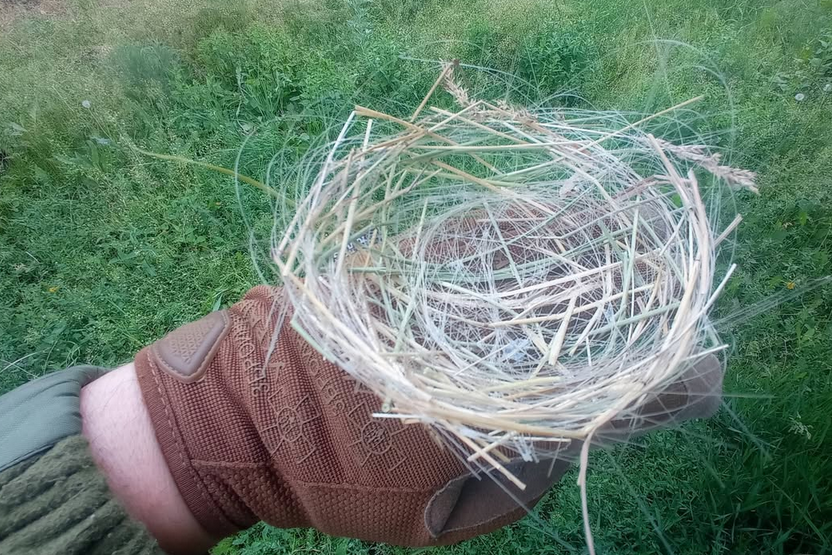
Near the front line, a bird has found a different purpose for this synthetic debris. Photographs show a nest woven from dry grass and fibre-optic cable. The discovery, made in a combat zone, is a small but stark signal of a larger shift. The war, now in its fourth year, is no longer just shaping borders and geopolitics; it is redefining the very materials available to the natural world.
The analysis of this new layer of debris reveals a far more insidious problem. As the lightweight, ultra-thin fibre-optic cables become ubiquitous across the military landscape, they become indistinguishable from natural materials for birds seeking nesting materials. The discovery of a bird's nest incorporating these drone cables in a combat zone illustrates a novel phenomenon: the direct integration of military technology into wildlife habitat.
This represents a fundamental shift in the ecosystem, where anthropocentric conflict debris is being repurposed by nature, often with lethal consequences. As artificial materials accumulate, they create new and dangerous threats to biodiversity across the region.
The environmental footprint of the conflict extends far beyond the immediate battlefield. The explosion of Russian refineries and oil tanks by Ukrainian forces has severely endangered the Russian environment, while the destruction of natural habitats on the border has disrupted fragile ecosystems. However, the incorporation of synthetic materials into nesting is an alarming new dimension of this damage—a direct line from the war's technology to the heart of its natural environment.
As fighting grinds on, the fibre-optic cables are likely to remain in the environment for years, a persistent hazard for birds, animals, and the ecosystems that have been caught in the crossfire.









Comment