



20 Apr 2026

Tired Earth
By The Editorial Board
As energy markets remain volatile in this spring of 2026, the French government is accelerating its efforts to reconcile household purchasing power with the ecological transition. Between targeted fuel subsidies and the revival of the "social leasing" program, the executive branch is walking a tightrope under the watchful eye of industrial critics.

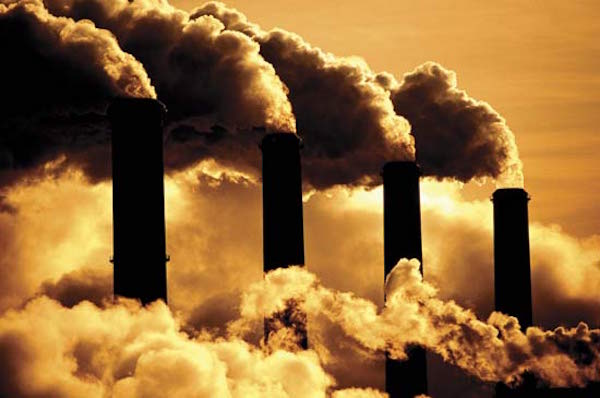
AI Generated Image
Targeted Aid Amidst Pump Price Volatility
In an environment of extreme price fluctuations, the Minister for the Energy Transition broke her silence in an exclusive interview with Ouest-France. To combat rising gasoline and diesel costs, the government has officially approved the deployment of specific subsidies for workers who are strictly dependent on their vehicles. Simultaneously, adjustments to "ecological bonuses" were unveiled to ensure electric vehicles (EVs) remain attractive as mass price shields are phased out.
The Return of "Social Leasing" in July
To accelerate the electrification of the national car fleet without excluding low-income households, the government confirmed that the social leasing program for electric vehicles will reopen in July. This initiative, highly anticipated after the success—and sudden halt—of previous waves, aims to provide EVs for less than €100 per month. The objective is clear: turn an energy constraint into an opportunity for sustainable mobility for modest homes.
The "Great Illusion" of Industrial Sovereignty?
However, this "all-electric" strategy is facing heavy criticism. In a sharp analysis published by Marianne, the promises of industrial sovereignty and "Made in France" manufacturing championed by Sébastien Lecornu are being questioned. The report highlights the flaws of an increased dependence on foreign components and denounces what it calls the "great illusion": a forced electrification that may fail to deliver on its promise of genuine domestic reindustrialization.
Hitting the "Energy Wall"
Beyond political debates, the physical reality of the crisis persists. The program Debout la Terre on France Inter emphasizes the urgent need for a profound transformation in our consumption habits. As the country approaches summer, managing the load on the electrical grid and the growing scarcity of fossil fuels mandates a level of sobriety that financial aid alone cannot address.
The measures represent a high-stakes gamble for the government: subsidizing the present while attempting to build an electric future that some experts fear is being built on shaky industrial ground.
Source : News agencies

The best of Tired Earth delivered to your inbox
Sign up for more inspiring photos, stories, and special offers from Tired Earth
By signing up for this email, you are agreeing to news, offers, and information from Tired Earth. Click here to visit our Privacy Policy.



Comment