



27 Jan 2026
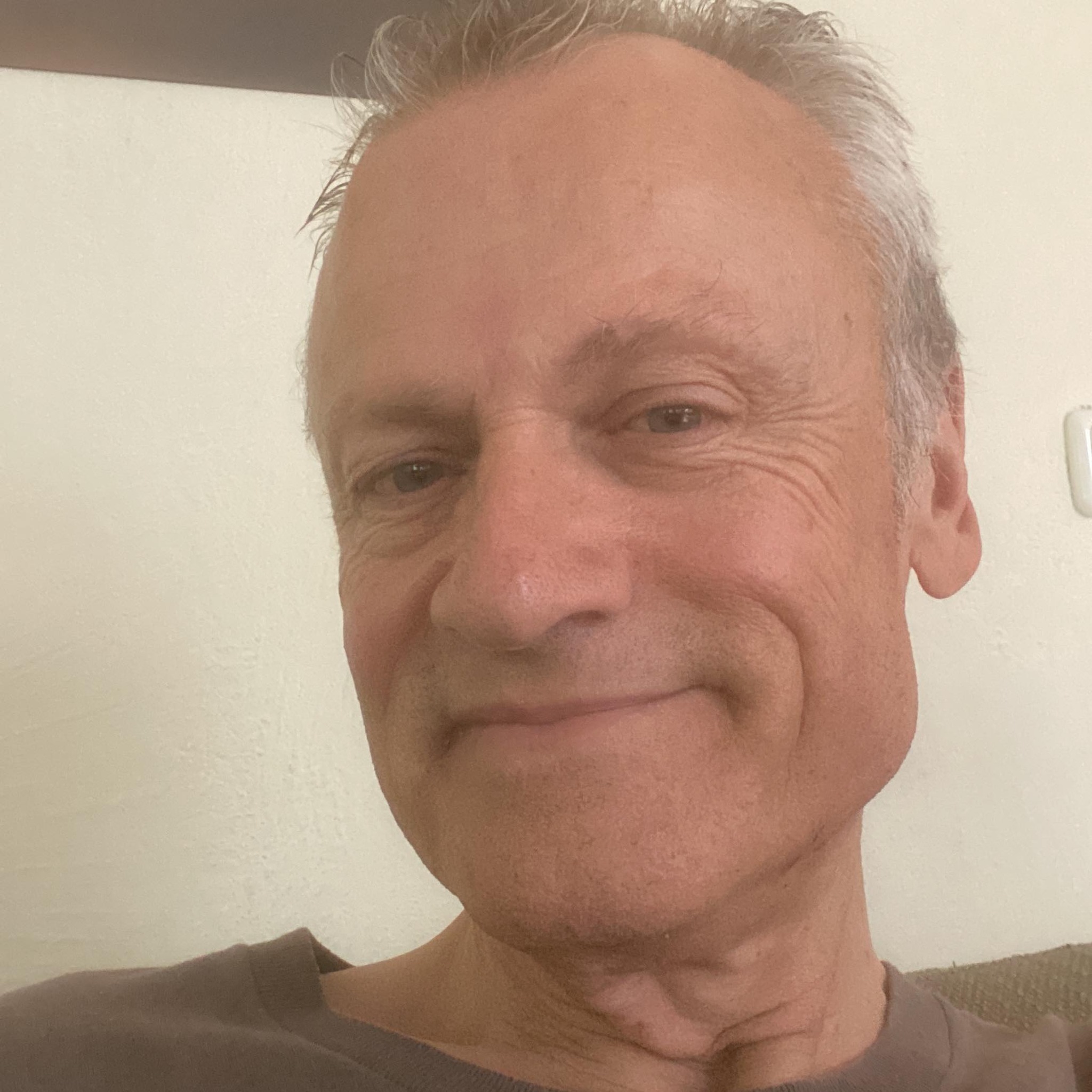
Marc Pieterse
Marc Pieterse (1965) is a Dutch vegan and animal-rights advocate who speaks out against systemic animal exploitation, including industrial farming, live animal transport, and the normalization of violence against non-human animals. His work focuses on exposing ethical inconsistencies in public debate and challenging narratives that frame animal suffering as inevitable or necessary.
1. Your social media posts show a strong commitment to animal rights and veganism. What personal or professional experiences led you to take such a firm stance, and how does this commitment shape your daily work?
What led you to take such a firm stance on animal rights and how does it shape your daily work?
My stance didn’t come from ideology first, but from exposure. Once you actually look at how animals are used in food systems, especially dairy, meat, and live transport, it becomes very difficult to unsee the suffering that’s been normalized. What struck me most was not just the violence itself, but how invisible and socially accepted it is.
That awareness reshaped how I see responsibility: if harm is systematic and unnecessary, neutrality becomes complicity. In daily life and work, that translates into being deliberate about my choices, using my voice where I can, and refusing to soften facts just because they’re uncomfortable.
2. You have repeatedly criticized practices such as live animal transport and industrial farming. In your view, what are the most effective and realistic solutions to reduce animal suffering on a global scale?
What are the most effective and realistic solutions to reduce animal suffering globally?
There’s no single silver bullet, but several levers matter a lot. First, reducing demand through accessible plant-based alternatives, when people have real options, behavior changes faster than moral arguments alone. Second, ending the worst practices immediately: live animal transport, extreme confinement, and routine separation of mothers and offspring. These are indefensible even by industry standards.
Finally, policy matters: subsidies, labeling laws, and public procurement can shift entire systems far more effectively than individual consumer choices alone. Structural change is essential.
3. Many of your posts rely on powerful images and direct language to raise awareness about animal exploitation. How do you balance the need to shock with the need to educate and reach a broader audience?
How do you balance shock value with education and reaching a broader audience?
I don’t believe shock and education are opposites. The reality is shocking. Sanitizing it for comfort often protects the system more than the animals. That said, shock without context can lead to disengagement.
My approach is to let images and direct language break through denial, but then follow up with facts, explanations, and clear accountability. The goal isn’t to offend—it’s to interrupt indifference and then give people something solid to think about.
4. Some argue that veganism should be promoted in a more gradual and inclusive way, rather than through direct calls for immediate change. How do you respond to those who believe dietary transitions should be progressive rather than urgent?
How do you respond to those who argue for gradual rather than urgent change?
Gradualism makes sense when harm is unavoidable. Here, it isn’t. Animals are being harmed right now, at massive scale, for reasons that are largely habit, convenience, and profit.
That doesn’t mean people must be perfect overnight—but it does mean urgency is justified. We wouldn’t argue for “gradually” ending other forms of systemic harm once we recognize them as wrong. Urgency is about moral clarity; transition is about implementation. Those two are often confused.
5. Beyond social media advocacy, are you involved in concrete projects, campaigns, or organizations focused on animal rights? Could you share an example of an initiative that you believe has had a measurable impact?
Are you involved in concrete projects or initiatives beyond social media?
Yes. I see social media as a tool, not the endpoint. I (financially) support and amplify campaigns targeting live transport, industrial dairy practices, and policy reform, and I engage with animal rights organizations that focus on measurable outcomes rather than feel-good messaging.
One example is sustained public pressure campaigns that have contributed to transport route restrictions and increased scrutiny of industry practices. The impact isn’t always immediate or headline-grabbing, but when regulations tighten or companies quietly change practices, that’s real-world progress.
I did some animal rescues (e.g. five polar foxes from a mink farm here in the Netherlands) i adopted five cats and a dog.
I visited many factory farms (pig chickens and sheep dairy) and exposed their evil practices.
I also support sanctuaries like sashafarm.org.
Yes. Beyond posting, I support and amplify campaigns aimed at ending specific practices, such as live transport and extreme confinement, because these have clear, measurable outcomes. When a transport route is shut down, a facility closes, or legislation is passed, the impact isn’t symbolic, animals are spared real suffering.
I’m especially interested in initiatives that combine public pressure, legal action, and documentation, because they create accountability rather than relying on voluntary industry promises. Those are the efforts that move the needle, even if they’re less comfortable than feel-good campaigns.
Besides this i rescued 5 illegally held polar foxes from a mink farm here in the Netherlands (btw the Netherlands has no fur farms anymore today).
I investigated many factory farms (pigs, chickens, goats) and exposed their death disposals.
I adopted five cats.

The best of Tired Earth delivered to your inbox
Sign up for more inspiring photos, stories, and special offers from Tired Earth
By signing up for this email, you are agreeing to news, offers, and information from Tired Earth. Click here to visit our Privacy Policy.
Comment
Reply