



26 Jan 2026

Tired Earth
By The Editorial Board
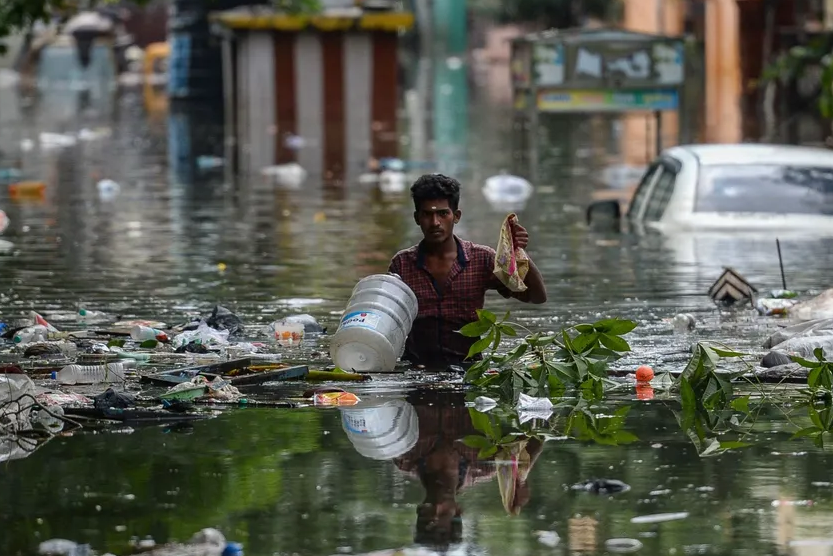
In the context of a world where climate change is worsening global inequalities, the decision of the United States to scale back its climate aid represents an increasing threat to the world’s most vulnerable nations. Emelie Y. Jimenez’s article, published on EARTH.com, highlights how this withdrawal, initiated under the Trump administration, deepens environmental and social challenges in regions already strained by industrial exploitation and climate disruptions.
A Concerning Withdrawal
In January 2024, after his return to office, President Donald Trump withdrew the United States from the Paris Agreement on climate change, marking a turning point in Washington's commitment to global climate action. But that wasn’t the end of it: a "reevaluation" of foreign aid led to the unprecedented dismantling of USAID (the U.S. Agency for International Development), with more than 80% of its programs shut down, including those related to climate. This decision left partner countries in uncertainty and wiped out billions of dollars in climate-related development projects, leaving vulnerable communities in a vacuum of aid and support for climate resilience.
Direct Effects on Vulnerable Communities
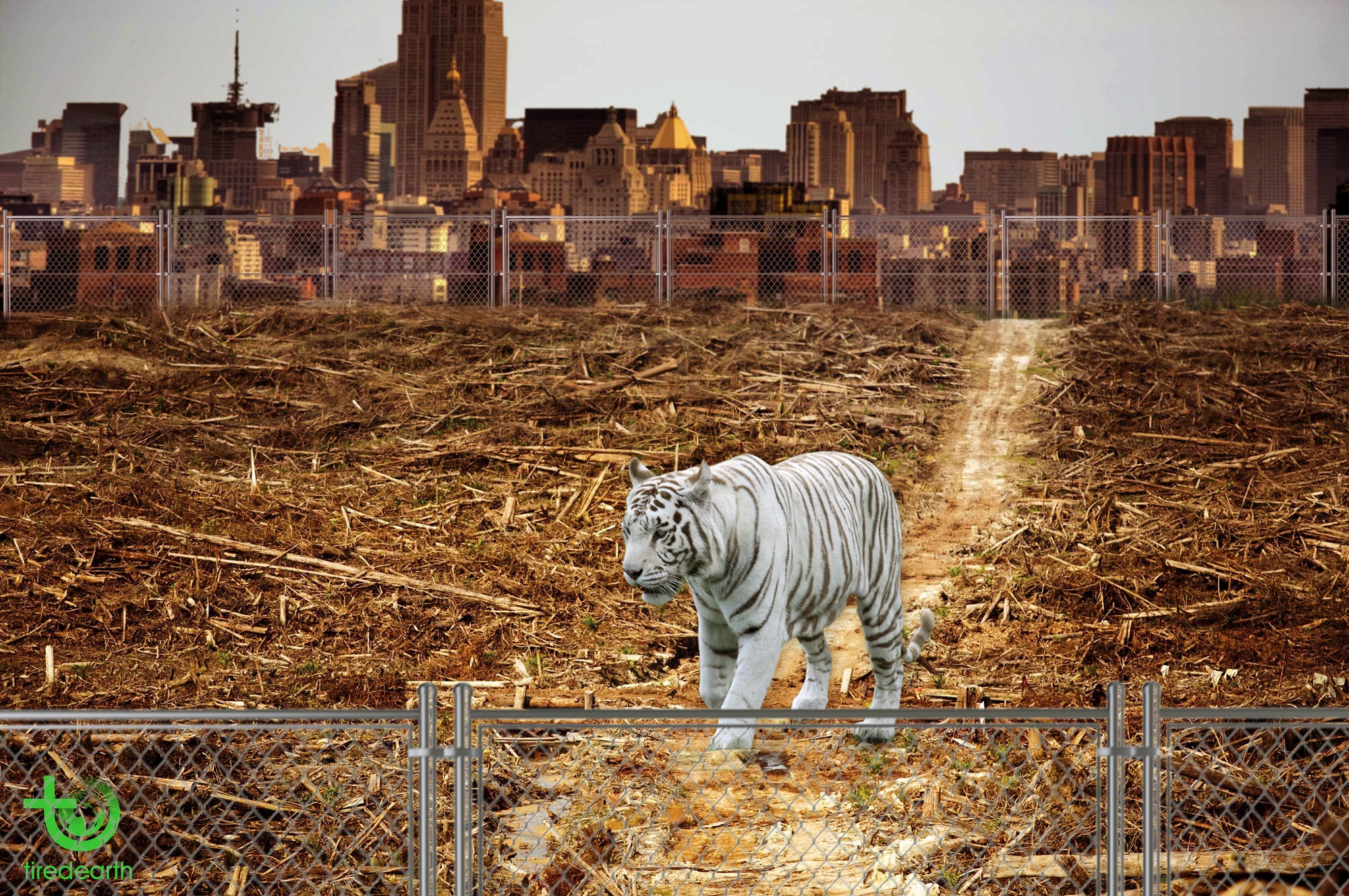
Jimenez underscores the dramatic consequences of this retreat for populations already facing environmental degradation. Venezuela, Peru, and Jamaica are striking examples of countries where American companies’ exploitation of natural resources has already caused ecological disasters, such as oil spills or massive deforestation. These practices polluted lands, degraded ecosystems, and often endangered Indigenous and rural communities that depend on them for survival. As temperatures rise, storms intensify, and sea levels increase, these injustices are compounded, turning displacement into a cultural loss.
Jimenez recalls her experience serving in the Peace Corps in Zambia, where she witnessed firsthand how entire families were forced to leave their land due to droughts and prolonged heatwaves. This type of internal displacement, less publicized than international migration, is a quiet erosion of culture long before the world notices.
China’s Role and the Climate Aid Competition
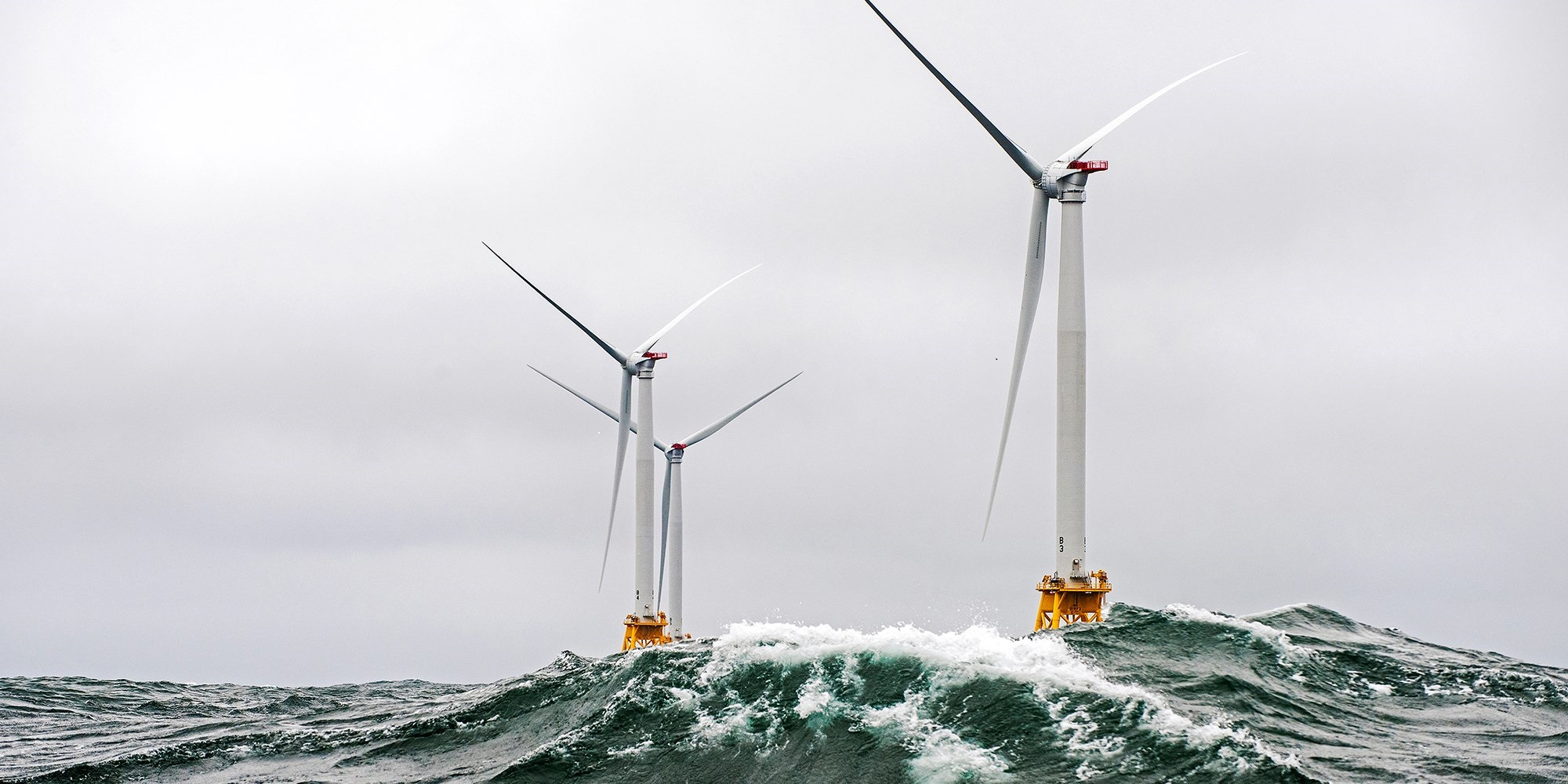
While the U.S. retreats, China steps in. The country has announced its ambitious climate action plan to reduce net greenhouse gas emissions by 7-10% by 2035 and has heavily invested in green technologies such as solar panel production, battery supply chains, wind technologies, and electric vehicles. These investments benefit the Global South, but, as Jimenez points out, the problem is access. If the most vulnerable communities cannot afford or deploy this technology, they remain trapped between climate stress and insufficient support.
A Missed Opportunity for the United States
In her article, Emelie Y. Jimenez calls for a shift in perspective from the United States, urging it to become not a savior but a responsible partner in the fight against climate change. She emphasizes that rebuilding climate aid should not be about prestige but about preserving communities, cultures, and regional stability. The American retreat jeopardizes not only vulnerable populations abroad but also U.S. long-term security, as they will face the consequences of climate migration on their own soil.
The Imminent Climate Migration Crisis
One of the most concerning outcomes of the U.S. retreat is the acceleration of climate migration. According to Jimenez, if the U.S. does not take concrete steps to support resilience in vulnerable countries, climate migration will continue to grow and eventually reach American borders. This will have repercussions on the country’s economic, migration, and geopolitical systems. Thus, action is not only a moral imperative but also a pragmatic necessity: if the U.S. does not act now, the consequences could become irreversible.
In conclusion, Emelie Y. Jimenez’s article reminds us that climate aid is essential not just for vulnerable countries but for the global community as a whole. Climate change knows no borders, and the displacements caused by climate impacts will affect all nations, including the U.S. The withdrawal of aid only worsens a cycle of poverty and climate injustice, threatening both local cultures and global stability. It is time for the United States to re-engage in a collective effort to address the forces driving people from their homes — before the situation becomes irreversible.

The best of Tired Earth delivered to your inbox
Sign up for more inspiring photos, stories, and special offers from Tired Earth
By signing up for this email, you are agreeing to news, offers, and information from Tired Earth. Click here to visit our Privacy Policy.


Comment
Reply