



07 Jan 2026

Tired Earth
By The Editorial Board
heatwaves have become increasingly deadly and frequent, yet they are often overlooked in terms of effective communication. While cyclones and storms are typically named to raise awareness and improve public responses, heatwaves are left nameless...
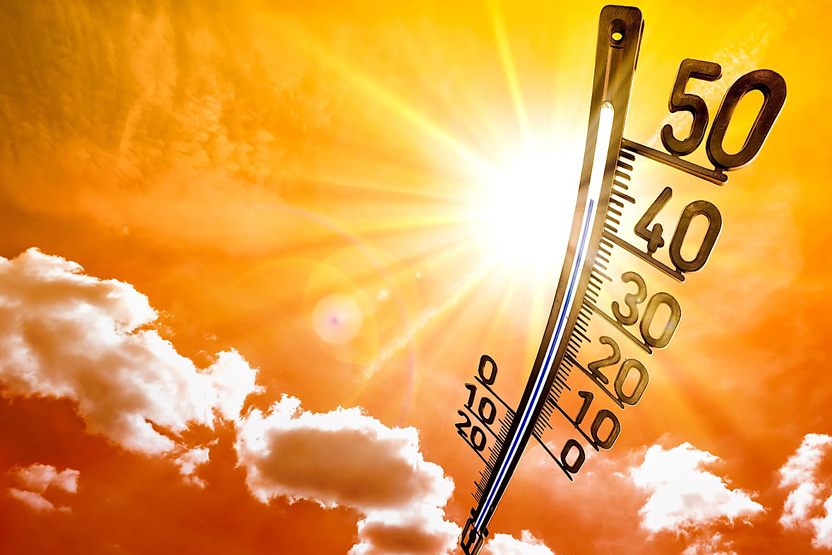
by Samuel Cornell and Steve Turton, THE CONVERSATION
In recent years, we have witnessed a remarkable increase in extreme weather events across the globe. From floods and droughts to wildfires and cyclones, the effects of climate change are undeniable. Among these, heatwaves have become increasingly deadly and frequent, yet they are often overlooked in terms of effective communication. While cyclones and storms are typically named to raise awareness and improve public responses, heatwaves—arguably one of the most dangerous weather events—are left nameless. Samuel Cornell and Steve Turton explore the idea of naming heatwaves, highlighting both the potential benefits and challenges of such an approach.
The Importance of Naming Extreme Weather Events
Naming severe weather events like cyclones has long been recognized as an effective tool for public safety. It helps people remember warnings, take precautionary measures, and remain vigilant in the face of impending danger. The research presented by Cornell and Turton draws attention to the fact that tropical cyclones, for example, are named because they are discrete and trackable events. This is in contrast to more diffuse hazards like heatwaves, which can span entire regions without a clear starting or ending point.
In Australia, while cyclones are named and given their due media attention, other destructive weather events such as heatwaves, east coast lows, and floods remain nameless. This discrepancy raises an important question: why should we give special attention to naming some weather events and not others?
A Growing Threat
Heatwaves, while not as sensationalized as cyclones, can be just as deadly. The 2024 study mentioned in the article demonstrated that naming heatwaves can significantly improve public awareness and protective behavior. In the case of Seville’s first named heatwave, Zoe, participants who remembered the name were more likely to take safety precautions, such as staying indoors or checking on vulnerable individuals. This study provides compelling evidence that naming heatwaves can lead to positive outcomes by encouraging the public to take action.
However, not all studies support this idea. A 2025 study conducted by UK researchers found no clear evidence that naming heatwaves increased public concern or preparedness. This research suggests that, in some regions, naming may not be as effective in conveying the urgency of the situation.
Should Heatwaves Be Named?
While naming weather events like cyclones and storms makes sense because they are distinct phenomena, the question remains whether the same logic should apply to heatwaves. Heatwaves are often more diffuse and can span vast areas without clear borders, which makes it more challenging to assign them a name. The World Meteorological Organization (WMO) has expressed caution about naming heatwaves, arguing that it may misdirect attention from critical messages about who is at risk and what actions to take.
Despite these concerns, the article argues that naming heatwaves could be an effective communication tool, especially as the frequency and severity of heatwaves continue to increase with climate change. Given the overwhelming scientific consensus that heatwaves pose a growing public health threat, it may be worth exploring this option further.
A Case for Broader Naming Practices
Naming weather events like east coast lows and major floods could also improve communication and preparedness in regions where these phenomena are prevalent. In Australia, for example, east coast lows have caused significant damage and loss of life in the past. Naming these events could help raise public awareness and ensure that people take the necessary precautions. However, this would require careful consideration to avoid confusion or unintended stigma.
The article suggests that instead of wholesale adoption, naming practices should be expanded based on a review led by experts from various fields, including emergency services, public health, and communications. This multidisciplinary review could assess whether naming additional extreme weather events, including heatwaves, would improve the effectiveness of public warnings and help mitigate the impacts of climate change.
A New Approach to Climate Communication
As the global climate continues to change, the need for more effective communication strategies becomes increasingly urgent. Extreme weather events like heatwaves are becoming more frequent and severe, yet they are often treated as less significant than other disasters. Naming heatwaves could provide a simple yet effective way to raise awareness, improve public behavior, and ultimately save lives.
The idea of naming heatwaves should not be dismissed outright, but instead carefully considered in the context of broader efforts to improve climate communication. By adopting a more nuanced approach, we can ensure that future generations are better prepared for the extreme weather events that are sure to come.
While the article focuses on Australia, the implications of this discussion are global. Heatwaves affect millions of people worldwide, and the lessons learned from this debate could benefit regions far beyond the southern hemisphere. As we continue to face the consequences of climate change, it is essential to explore every avenue for improving public awareness and preparedness.
Read the main article at the conversation

The best of Tired Earth delivered to your inbox
Sign up for more inspiring photos, stories, and special offers from Tired Earth
By signing up for this email, you are agreeing to news, offers, and information from Tired Earth. Click here to visit our Privacy Policy.


Comment