



07 Mar 2026

Tired Earth
By The Editorial Board
Over the past decade, the Antarctic summer is getting hotter, and the ice has been getting thinner.
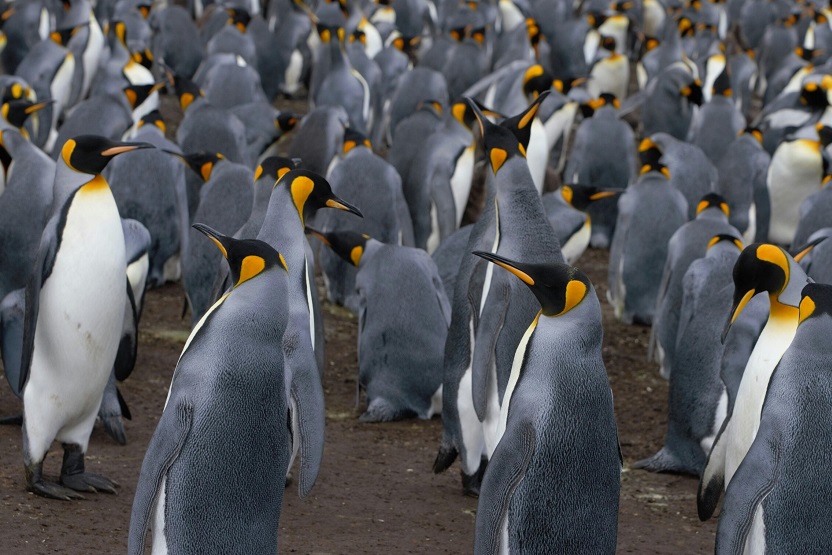
The tall black-and-white residents of Antarctica, who waddle around its icy landscape, are in peril thanks to the rapidly warming global climate. Emperor penguins go through an annual transformation called catastrophic molting, during which they replace all of their feathers over a short period. This process begins in December and is usually completed before the end of February. During this time, the penguins depend on stable ice to stay warm and dry because the protective coat that normally makes them waterproof and cold-proof is still growing in.
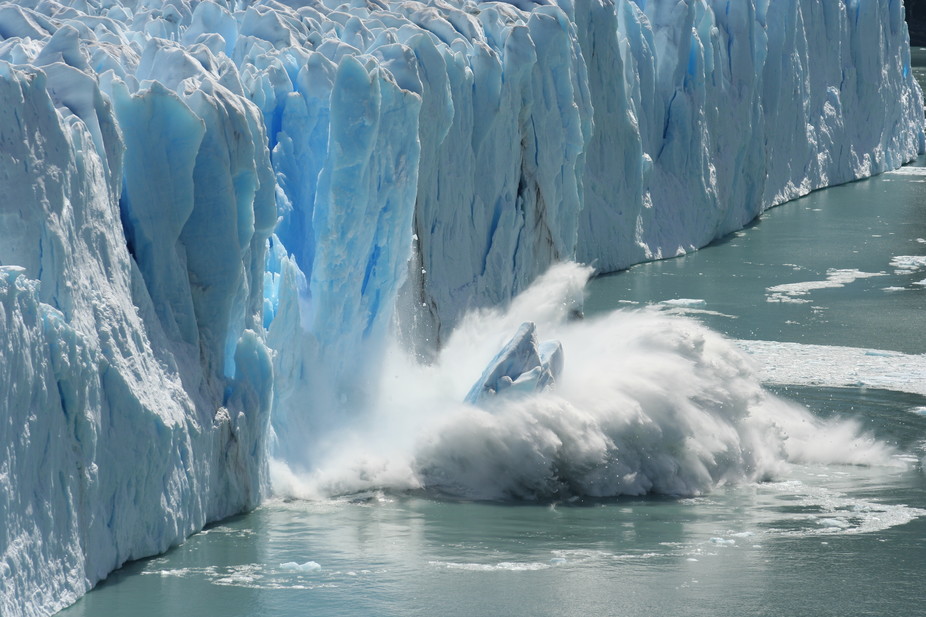
A recent study that examined satellite images of the areas to find where emperor penguins molt has discovered a new threat that leaves them vulnerable during this season. In 2023 and 2024, some of the ice platforms broke apart while the penguins were still in the middle of their molt, potentially forcing them into the freezing water before their new feathers were ready.
After two seasons of poor ice, the researchers observed a drastic drop in the number of penguins that visited the spot in 2023 vs. 2025. They aren't sure if the birds moved to a safer location to molt, or perished.
The findings are published in Communications Earth & Environment.
Emperor penguins (Aptenodytes forsteri) rely heavily on coastal habitats for food and use fast ice—sea ice that remains immobile because it is attached to the coastline or seabed, or locked in place between grounded icebergs—as their breeding grounds. This strong dependence places them higher on the list of Antarctic animals most vulnerable to climate change.

Over the past decade, the Antarctic summer is getting hotter, and the ice has been getting thinner.
The lack of stable ice creates a dangerous situation for emperor penguins. During molting, the birds fast for weeks and cannot enter the sea to feed while their new feathers grow, placing heavy metabolic strain on them. If they are forced into the water before the molt is complete, they risk rapid heat loss and greater exposure to predators due to reduced swimming ability without their waterproof coat.
Mapping where emperor penguins molt is essential for assessing how climate change could affect their populations. Yet for a long time, these sites remain poorly understood, largely because the molting areas have been very hard to spot due to their remote locations.
The team involved in this study successfully obtained a view to track and identify the locations by utilizing one medium-resolution satellite (Sentinel-2) to scan large areas of the coast and other very high-resolution satellites (WorldView-2). They focused on one specific 200-kilometer area along the West Antarctic coast where a large number of emperor penguins molt, monitoring the distribution and number of molting groups over a seven-year period (2019–2025).

They found that the average ice coverage of the area was about 2.8 million km² for a long period of time, but then it dropped to a record low of 1.79 million km² in 2023. The decline appeared to continue as the continent witnessed its lowest ice coverage ever between 2022 and 2025.
In 2023 and 2024, the fast ice in the region broke up far earlier than usual while emperor penguins were still molting. After two consecutive years of these mishaps, researchers observed a sharp drop in penguin groups in the area—from 247 groups in 2023 to just 25 by 2025. Even though the sea ice coverage expanded again in 2025, the number of emperor penguins returning to the site remained low.
Researchers believe that the recent decline in sea ice off the Marie Byrd Land coast—a primary molting destination for the Ross Sea population of emperor penguins—may be severely affecting molting birds and, in turn, their population and breeding success. Birds that survive disrupted molts may still be left in poor condition, and the need for recovery time can potentially lead to skipped breeding seasons.
Long-term satellite monitoring is needed to track critical life stages of penguins and other marine predators, generating data that can inform better conservation strategies and climate models.
Source : phys.org

The best of Tired Earth delivered to your inbox
Sign up for more inspiring photos, stories, and special offers from Tired Earth
By signing up for this email, you are agreeing to news, offers, and information from Tired Earth. Click here to visit our Privacy Policy.


Comment