



28 Dec 2025

Tired Earth
By The Editorial Board
EU members have approved another delay to the much-anticipated Deforestation Regulation (EUDR), which was originally set to take effect at the end of 2024.
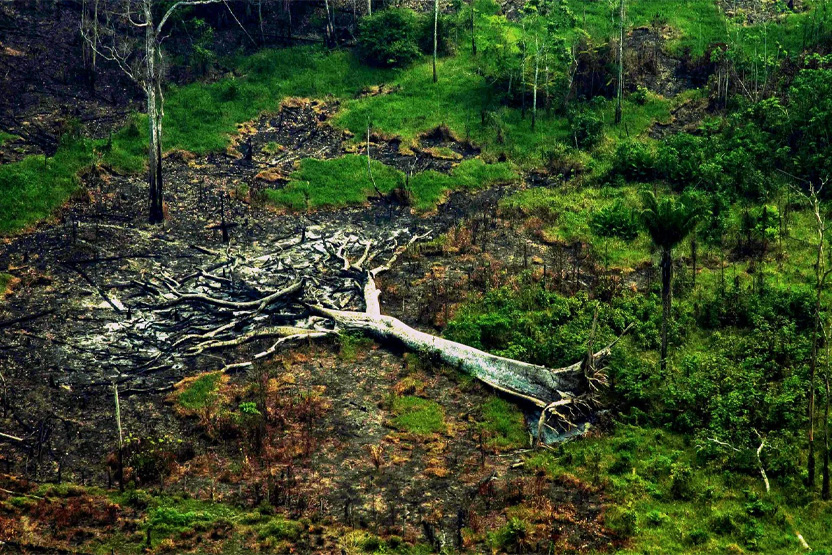
In a move that has drawn both criticism and relief, EU member states have approved another delay to the much-anticipated Deforestation Regulation (EUDR), which was originally set to take effect at the end of 2024. The regulation, aimed at tackling deforestation linked to agricultural expansion, will now begin no earlier than December 2026. This delay, the second of its kind, is being met with disappointment by environmental groups, who argue that the extra time will undermine critical efforts to combat global deforestation and climate change.
A Growing Controversy: Industry Pressure and Political Pushback
The new timeline for compliance is the result of mounting pressure from several directions: right-wing and far-right political groups, industry stakeholders, and even global business partners, many of whom have voiced concerns about their ability to meet the regulation's demanding due diligence standards. These parties cite the complexity of supply chains, difficulties in implementing necessary verification systems, and concerns from trade partners in key commodity-producing regions.
The European Parliament's approval of the delay comes after months of debate. Initially, the EU Deforestation Regulation was supposed to come into force on December 30, 2024, but was first delayed to December 30, 2025. The new revised deadline pushes the implementation yet another year, this time to December 30, 2026, for larger companies. Small and micro-enterprises will have until June 30, 2027, to comply with the rules.
Environmental Impact: Economic and Climate Benefits at Risk
The regulation aims to address the significant role the EU plays in driving deforestation by regulating key agricultural commodities linked to forest degradation. These include cattle, cocoa, coffee, palm oil, soya, and wood products—materials that have been identified as responsible for more than 50% of global deforestation between 2001 and 2015. The law intends to reduce the environmental impact of these commodities within the European market by preventing the import of goods linked to deforestation.
While environmental organizations have slammed the delay, arguing it reduces the effectiveness of the law and compromises its climate benefits, business groups have welcomed the extra time. According to environmental NGOs like ClientEarth, the postponed regulation would have saved an estimated 32 million metric tonnes of CO2 emissions annually, reduced EU-driven deforestation by 29% by 2030, and generated economic savings of up to €3.2 billion per year. Furthermore, it could have preserved up to 72,000 hectares of forest each year by 2030.
A Weakened Approach: Streamlining the Due Diligence Requirements
However, the revision approved by the EU also includes a streamlining of the due diligence requirements, which critics argue weakens the law’s impact. By limiting responsibility for "deforestation-free" products to only the first operator in the supply chain, the revised version undermines traceability and shared accountability across the full supply chain, according to ClientEarth. This change, they argue, could reduce the effectiveness of the regulation in ensuring truly sustainable trade practices.
The EU’s decision to delay the regulation represents a broader global challenge. Europe is a major player in the global trade of commodities linked to deforestation, responsible for about 13-16% of deforestation-related emissions from international trade. With each delay, the EU risks falling short of its environmental commitments, particularly in the fight against climate change and biodiversity loss.
As the world continues to grapple with the climate crisis, the question remains: Can Europe afford to wait any longer before acting decisively to curb deforestation, or will further delays only exacerbate the already severe environmental consequences?

The best of Tired Earth delivered to your inbox
Sign up for more inspiring photos, stories, and special offers from Tired Earth
By signing up for this email, you are agreeing to news, offers, and information from Tired Earth. Click here to visit our Privacy Policy.




Comment